SERIES II
Geographic Memory
The Shape of What Remains
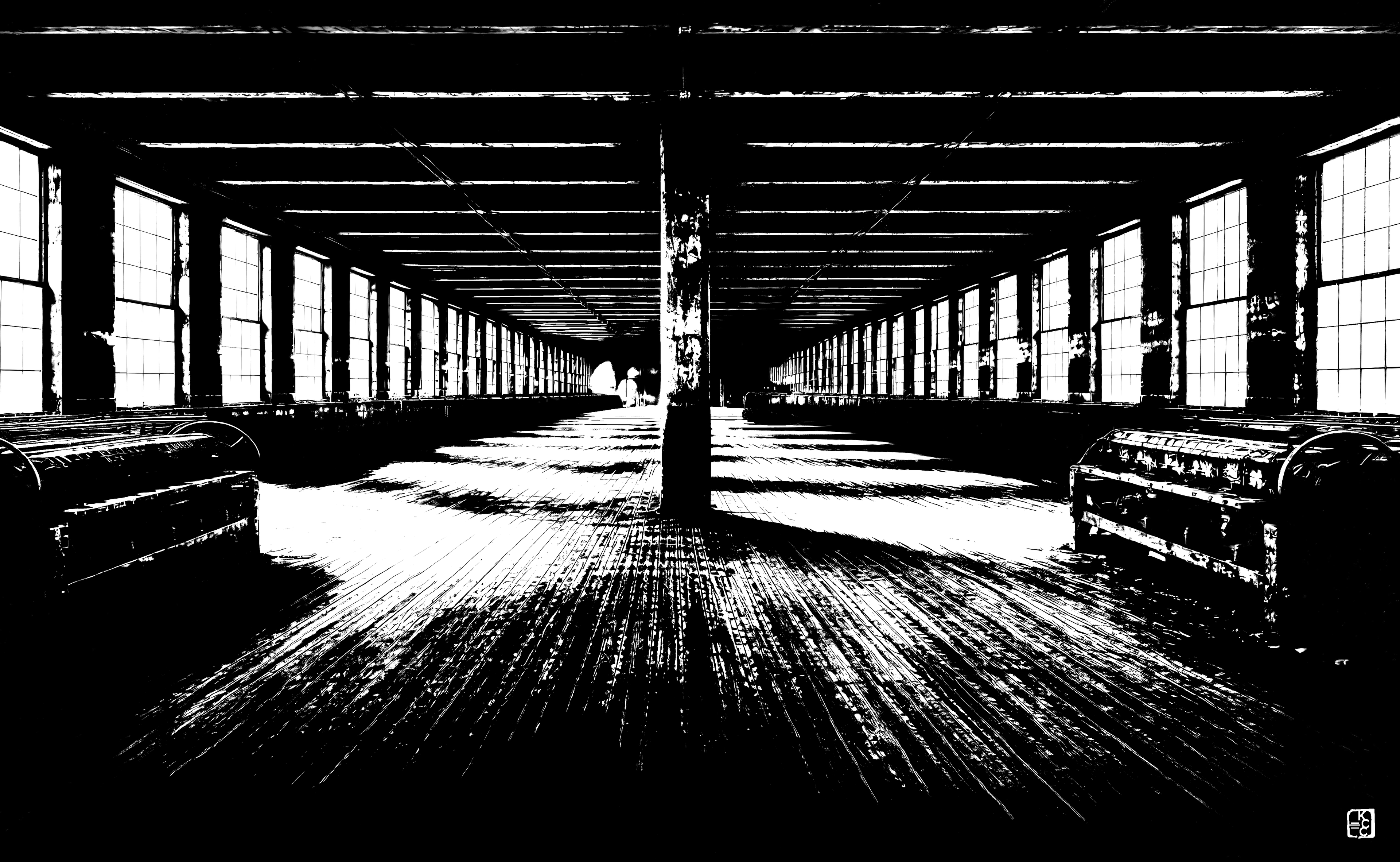
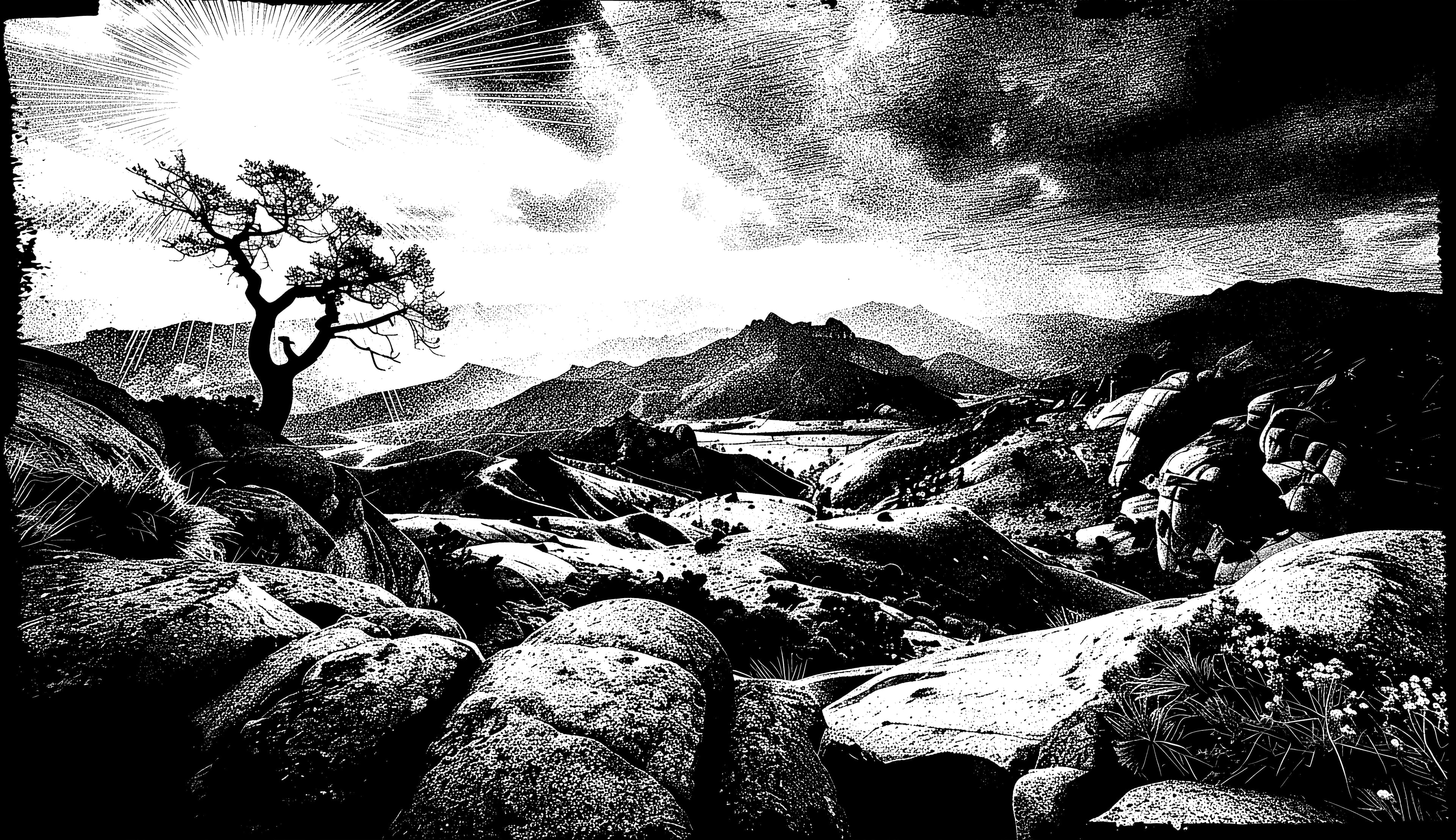
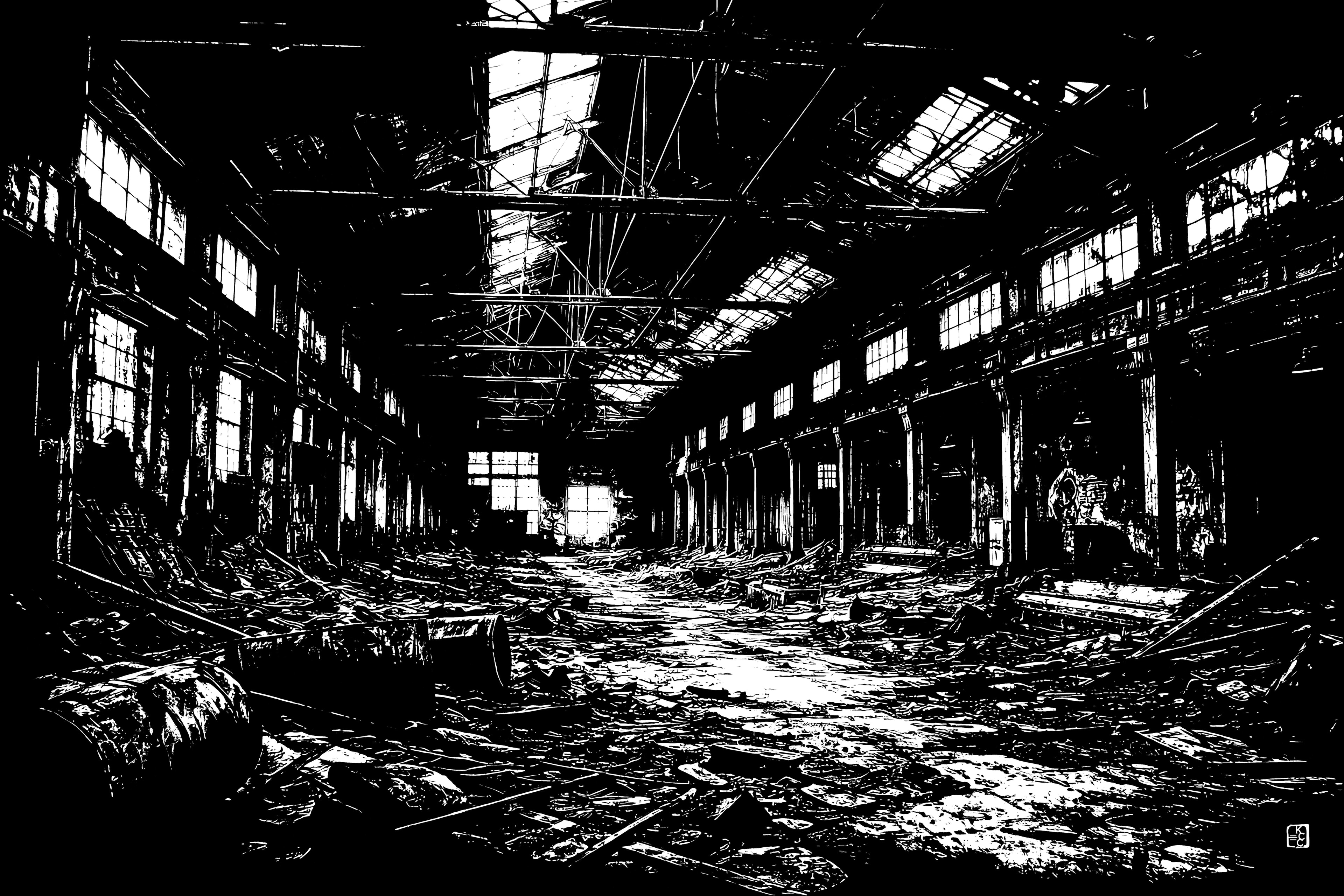
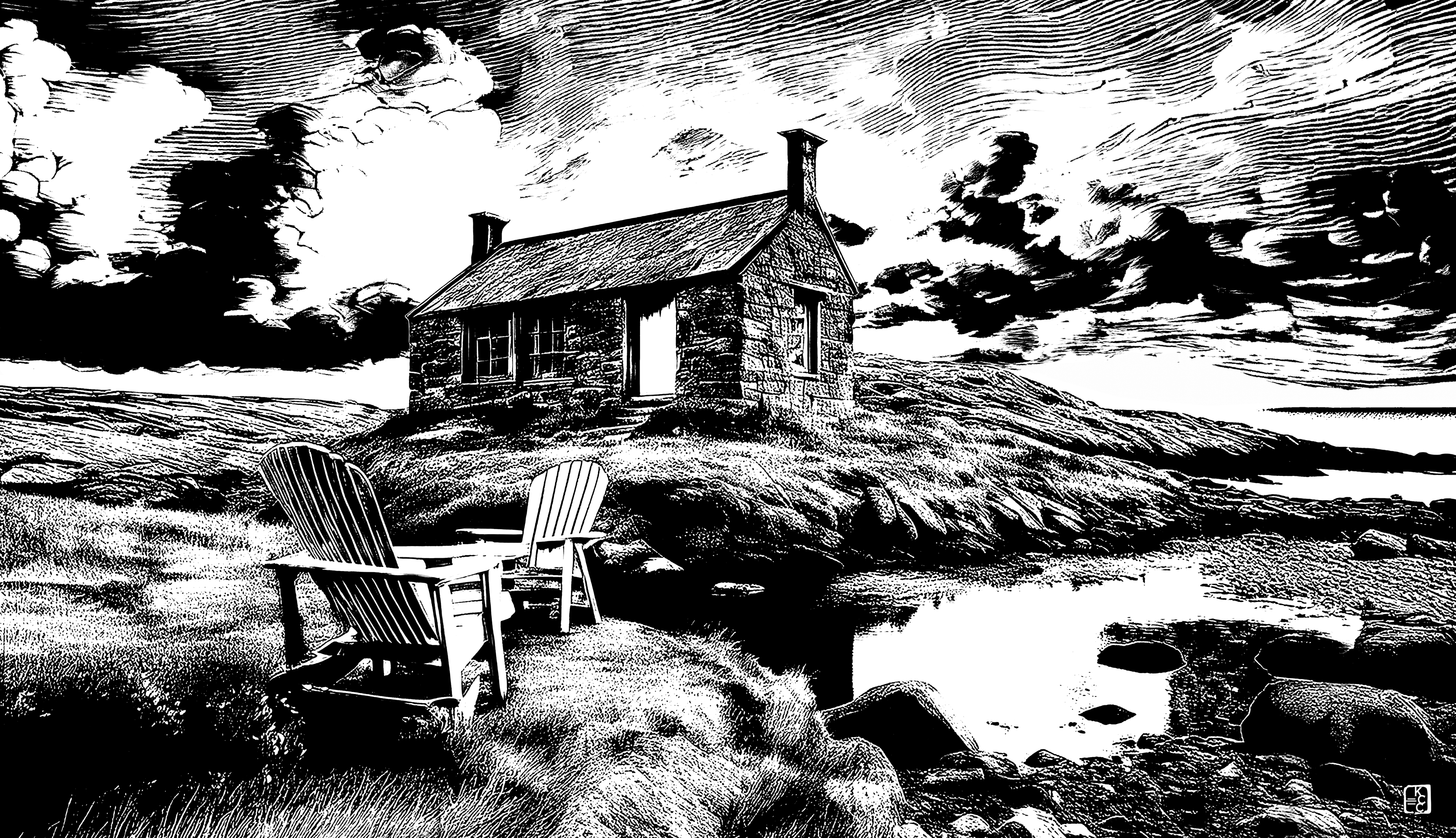
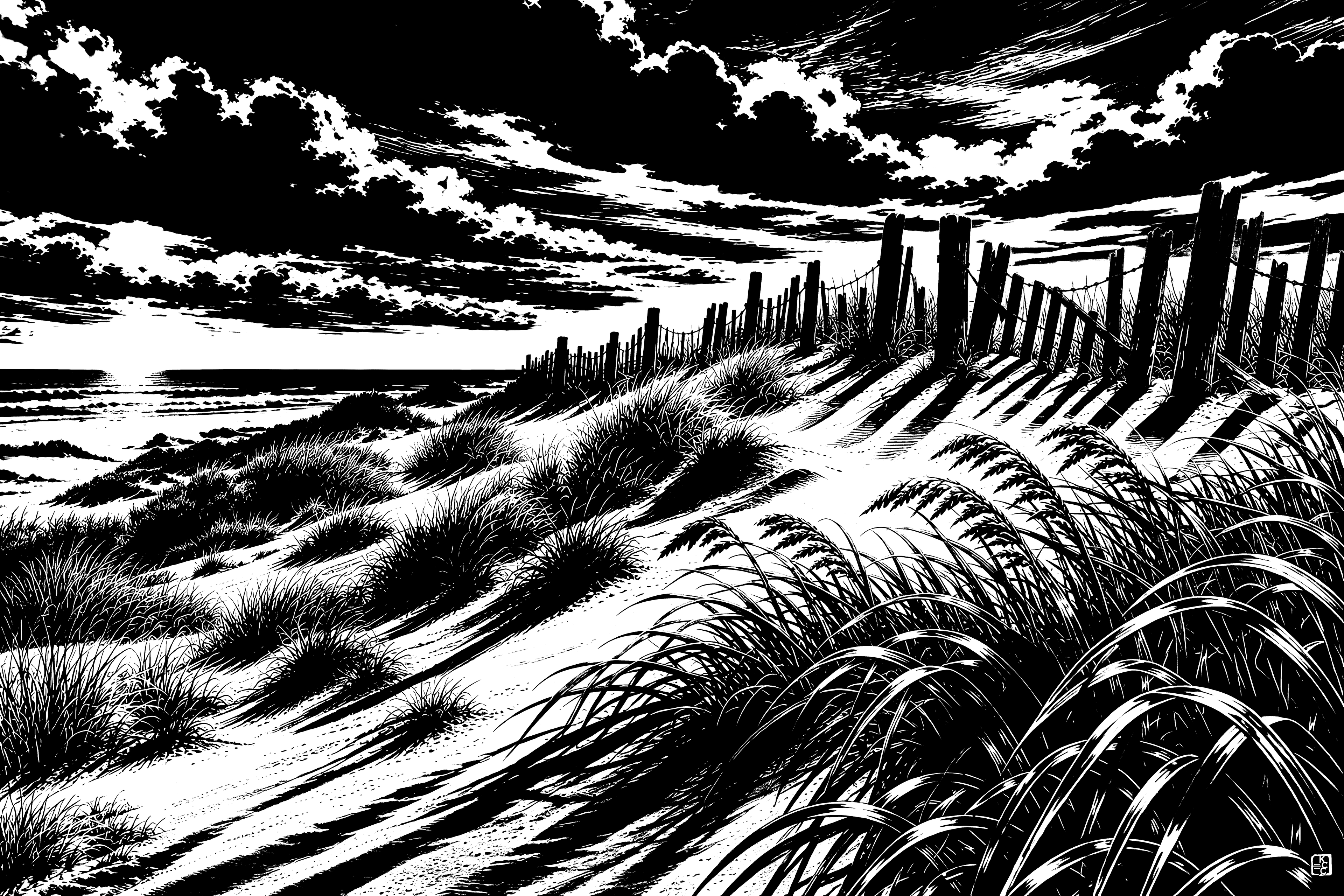
The land remembers longer than we do. It keeps the marks of rivers that no longer flow, forests that have vanished, and roads buried beneath new ground. Mountains wear away. Shores move. Trees fall and grow again. Long after names are forgotten, the landscape carries the memory of what has passed across it.
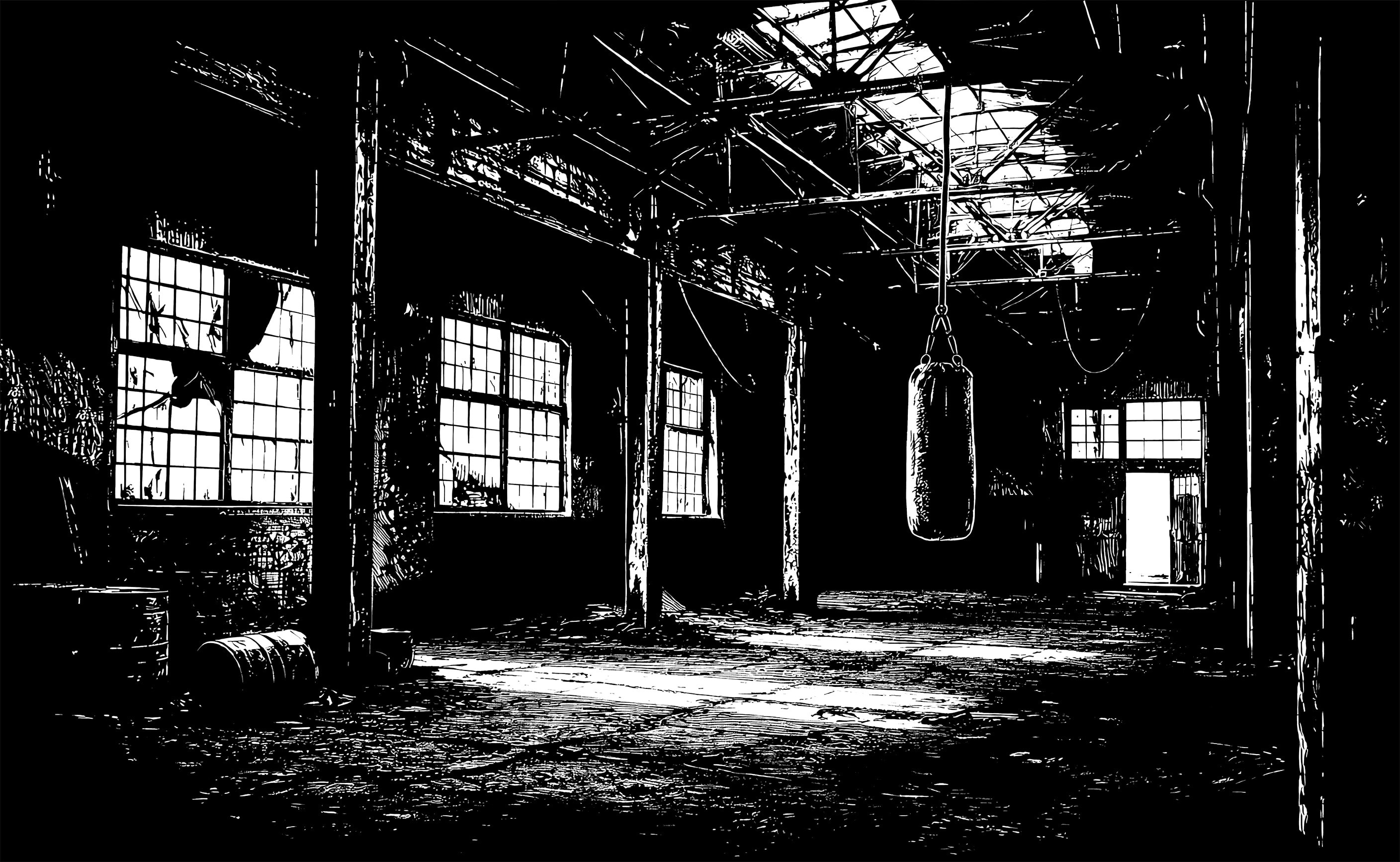
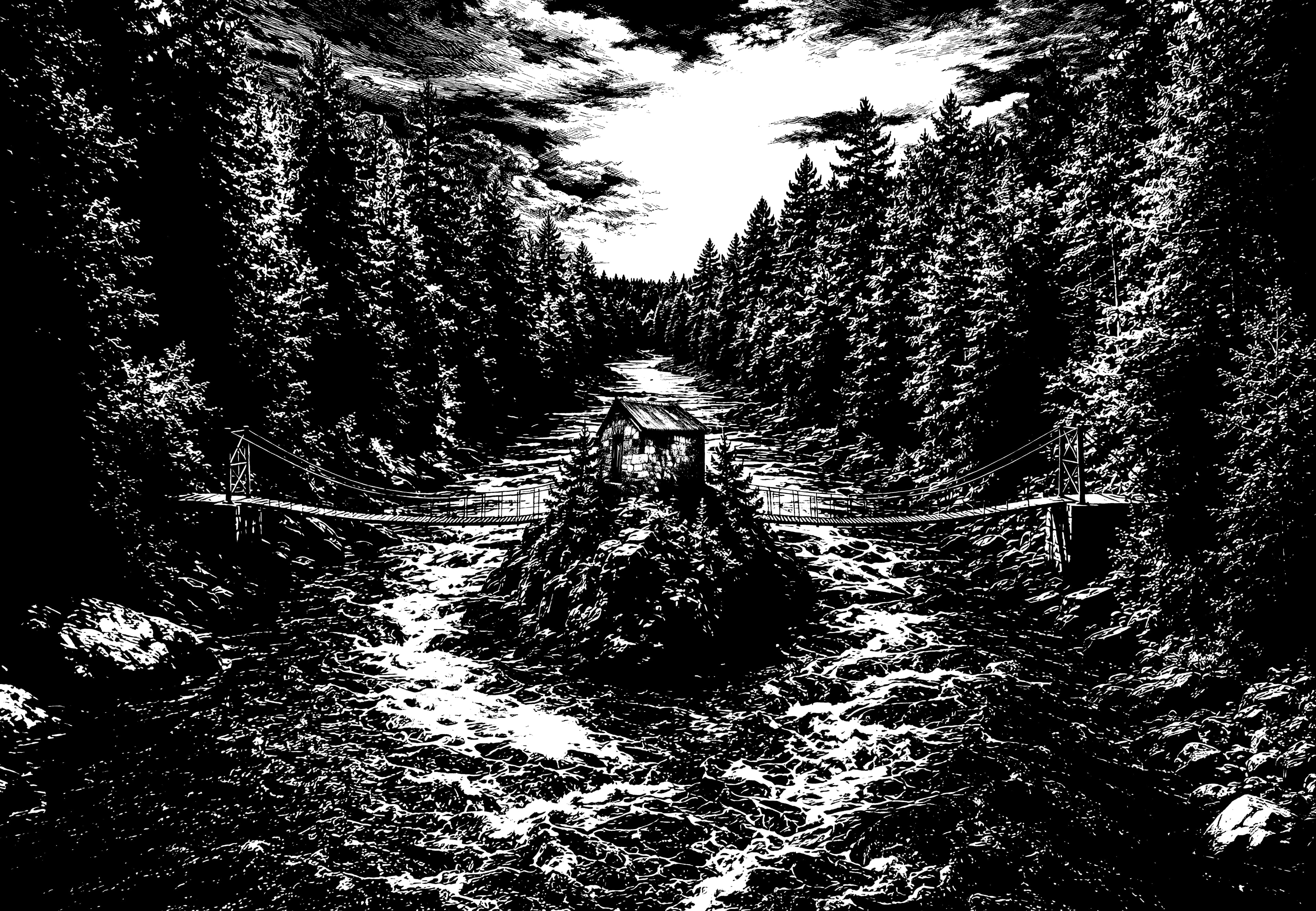
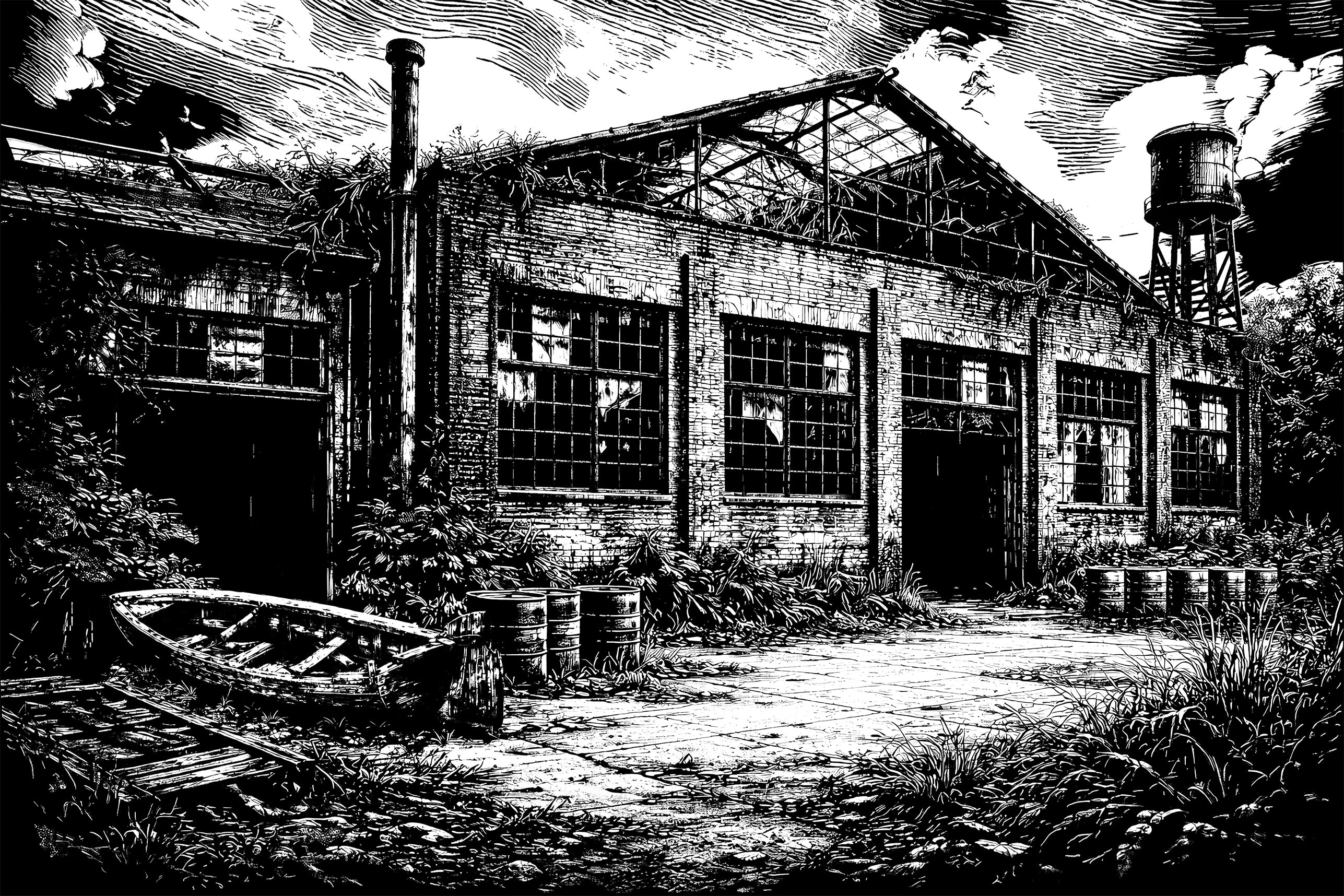
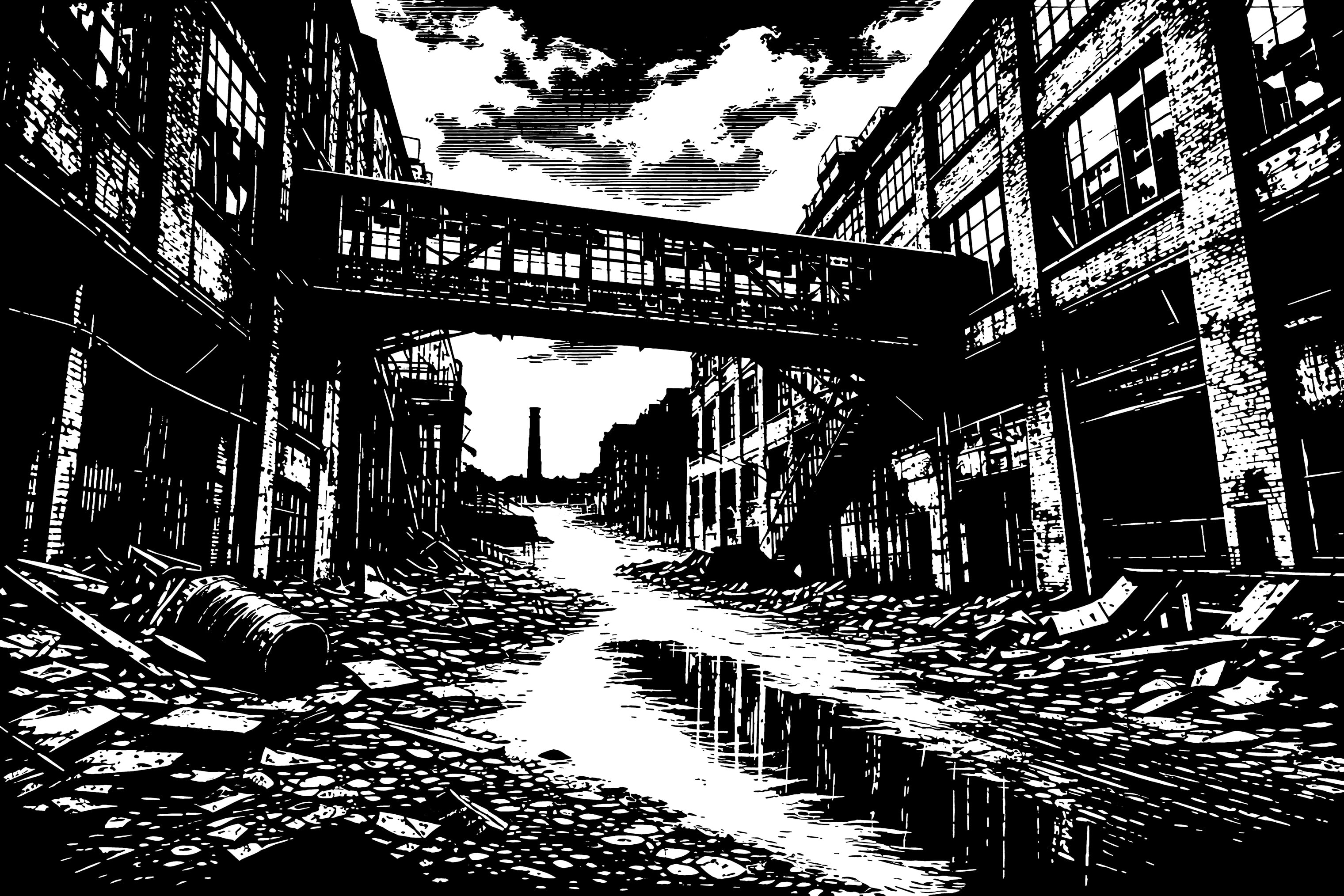
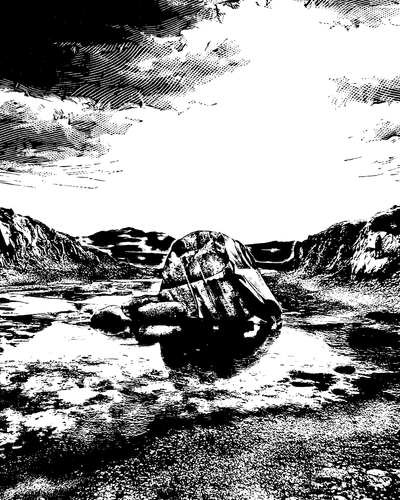
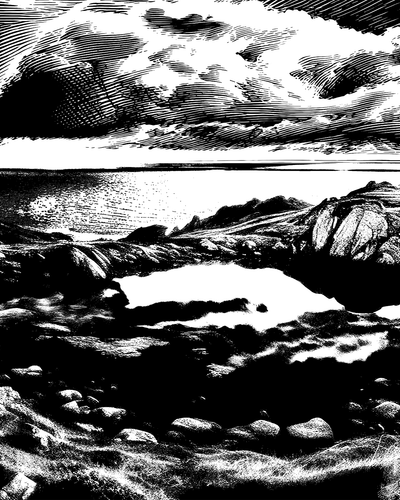
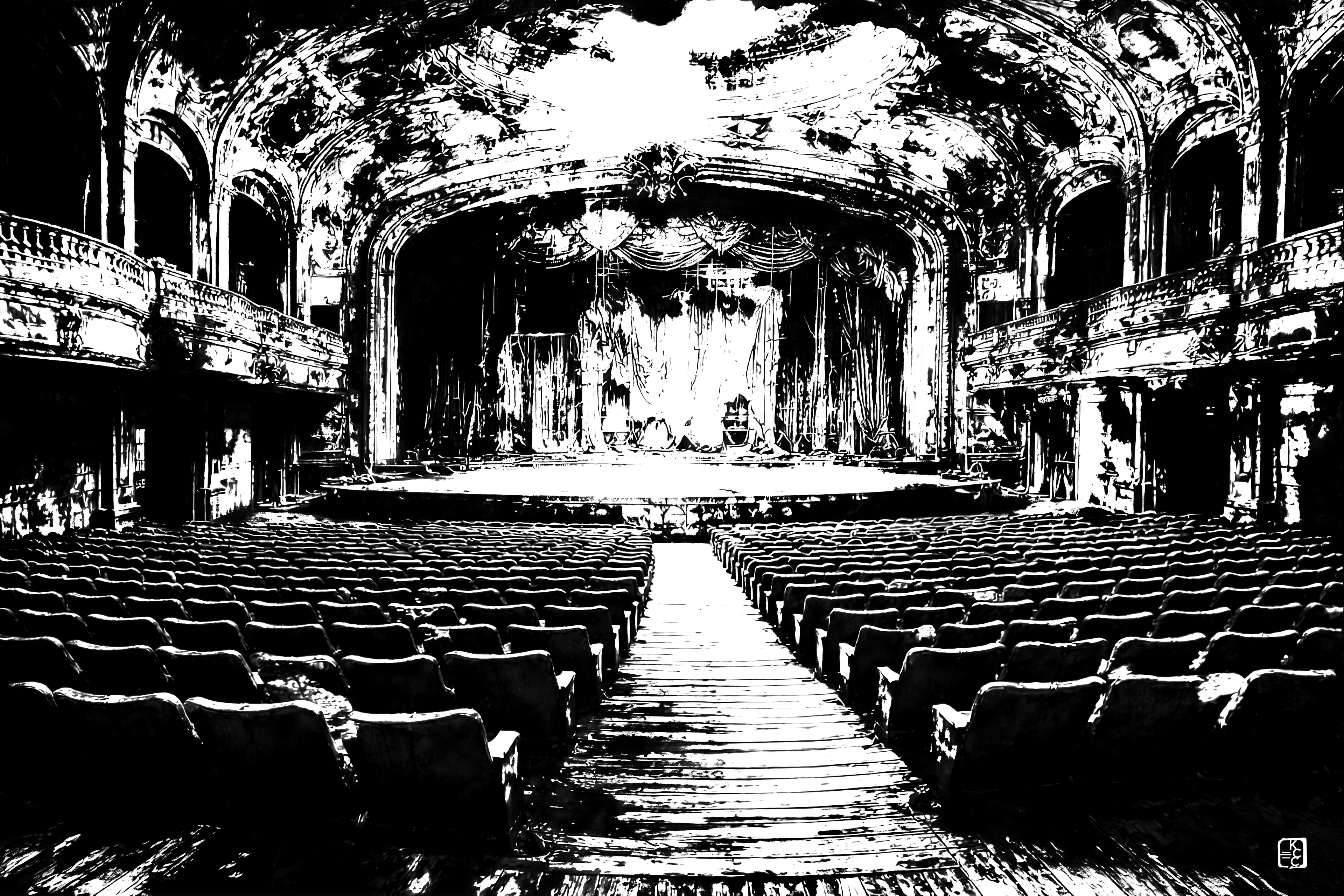
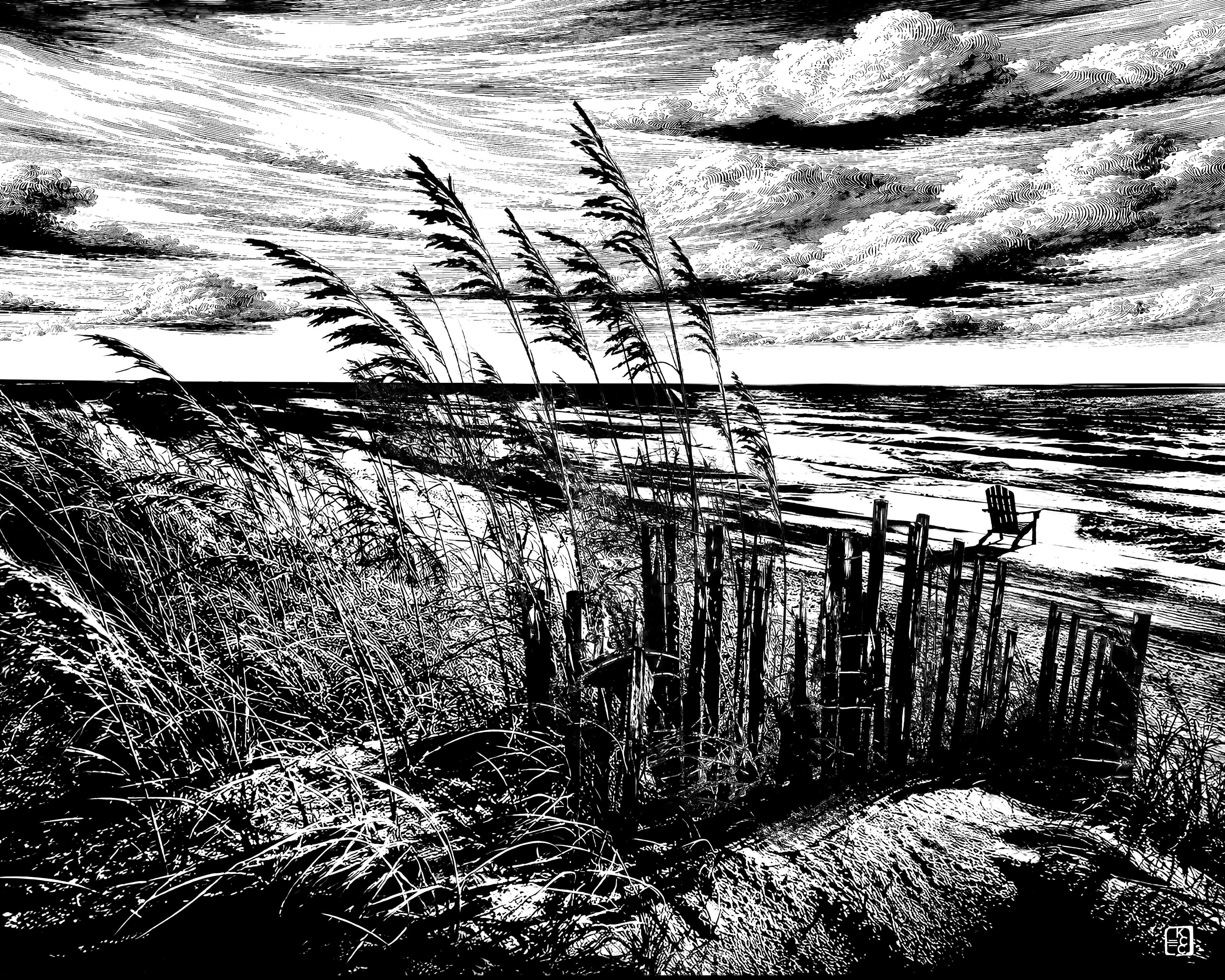
These prints imagine places where time has worked slowly. Stone, water, earth, and weather outlast the purpose that first shaped them. What remains is no longer history. It has become part of the land itself.
The woodcut follows the same path. Each cut removes what is unnecessary until only the strongest forms remain. Light, shadow, and texture describe places that feel both familiar and distant. The grain of the wood becomes another layer of memory, carrying its own history into every print. Nothing is polished away. Time leaves marks, and so do the tools.
Geographic Memory is about endurance. It asks whether a place can remember what the people who lived there have forgotten. The answer is never spoken. But it has a second layer, a personal layer. Looking over your shoulder at the life you have lived, there are many places where your current thoughts and ideas intermingle with the ones that passed before. In most instances, those places do not exist when you become interested enough to go back to them. At best they are depreciated versions of what you once knew. At worst they simply do not exist anywhere but in your imagination.
In my own experience, I have found that if it is possible to see a place from my youth, it is not worth the trouble, they never live up to the image you have retained. I have not tried to recreate the reality of the places that hold importance to me. I have rendered how they look today, in my mind.
“These prints are not attempts to reconstruct reality. They are attempts to reconstruct memory.”