SERIES I
The Upper Anthropocene
The Ruins of the Holocene, Reclaimed as Memory and Myth.
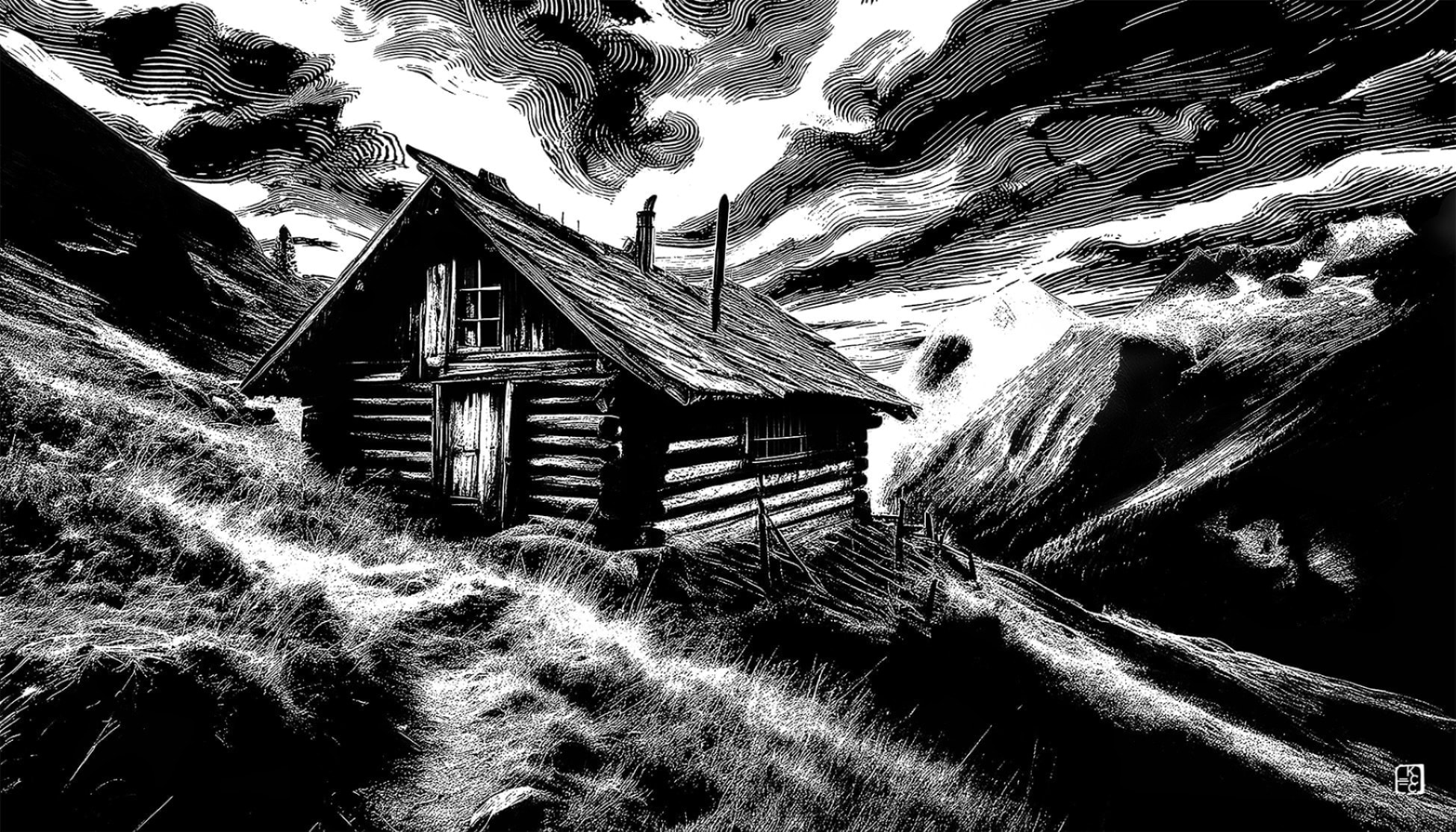
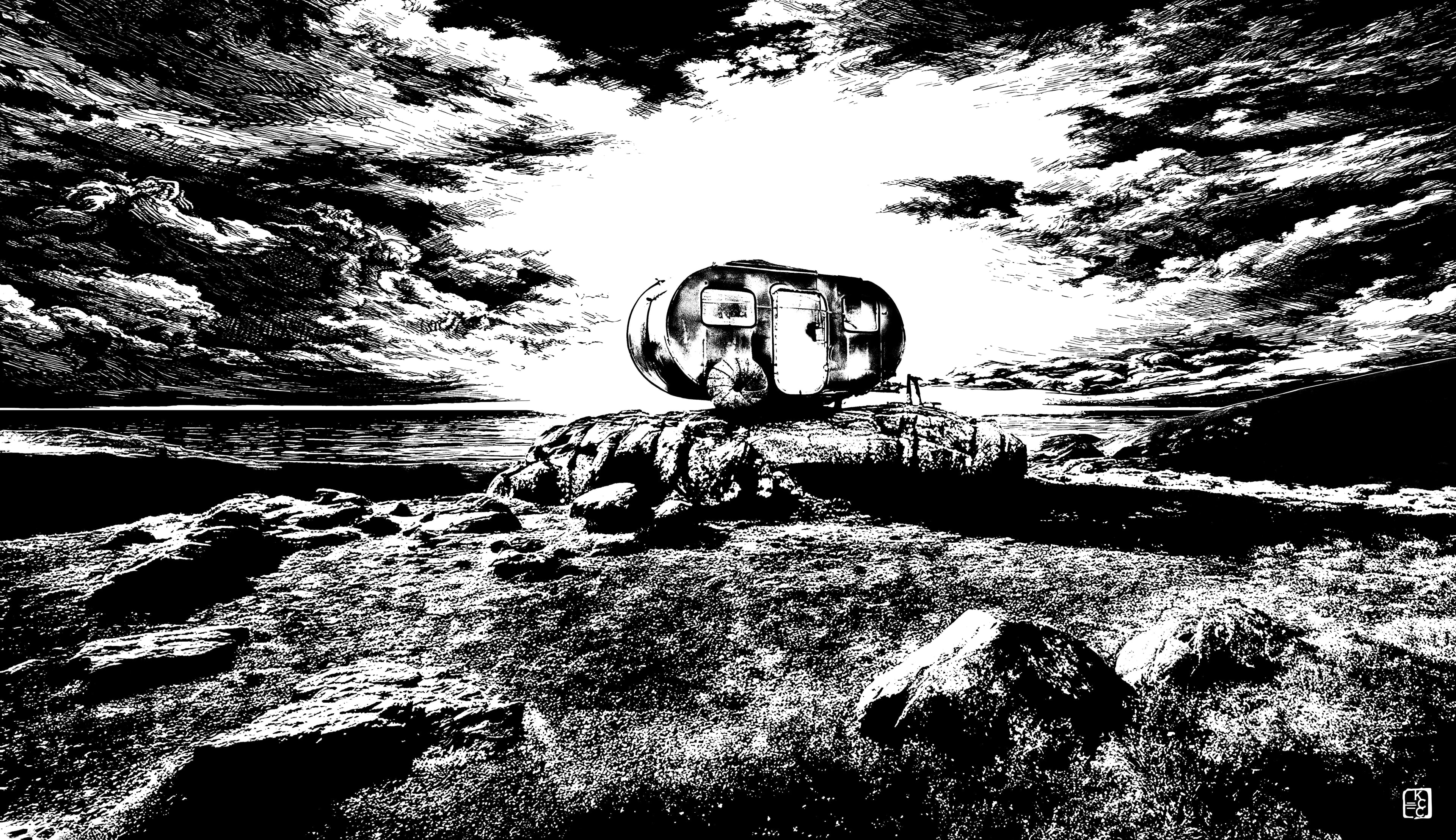
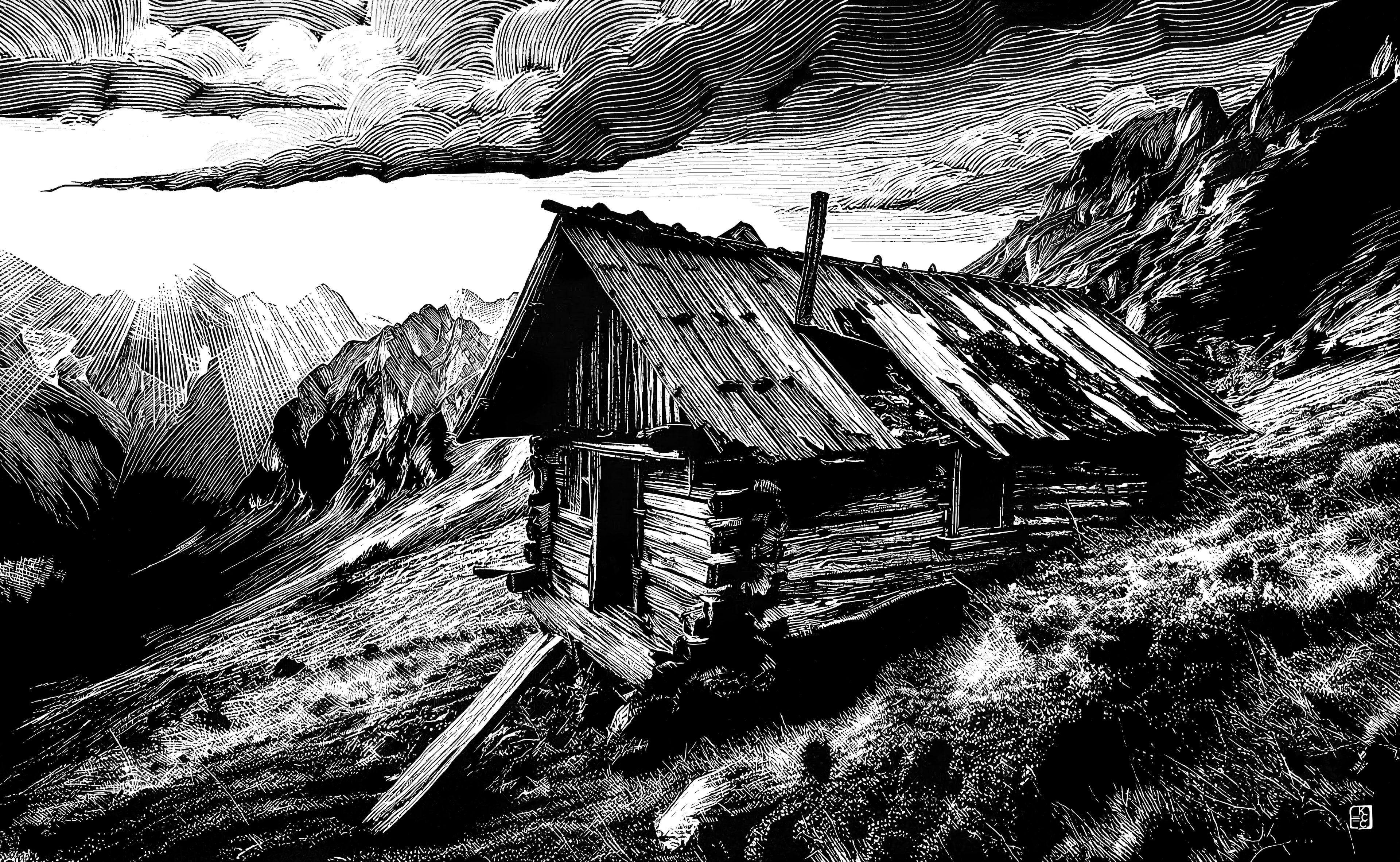
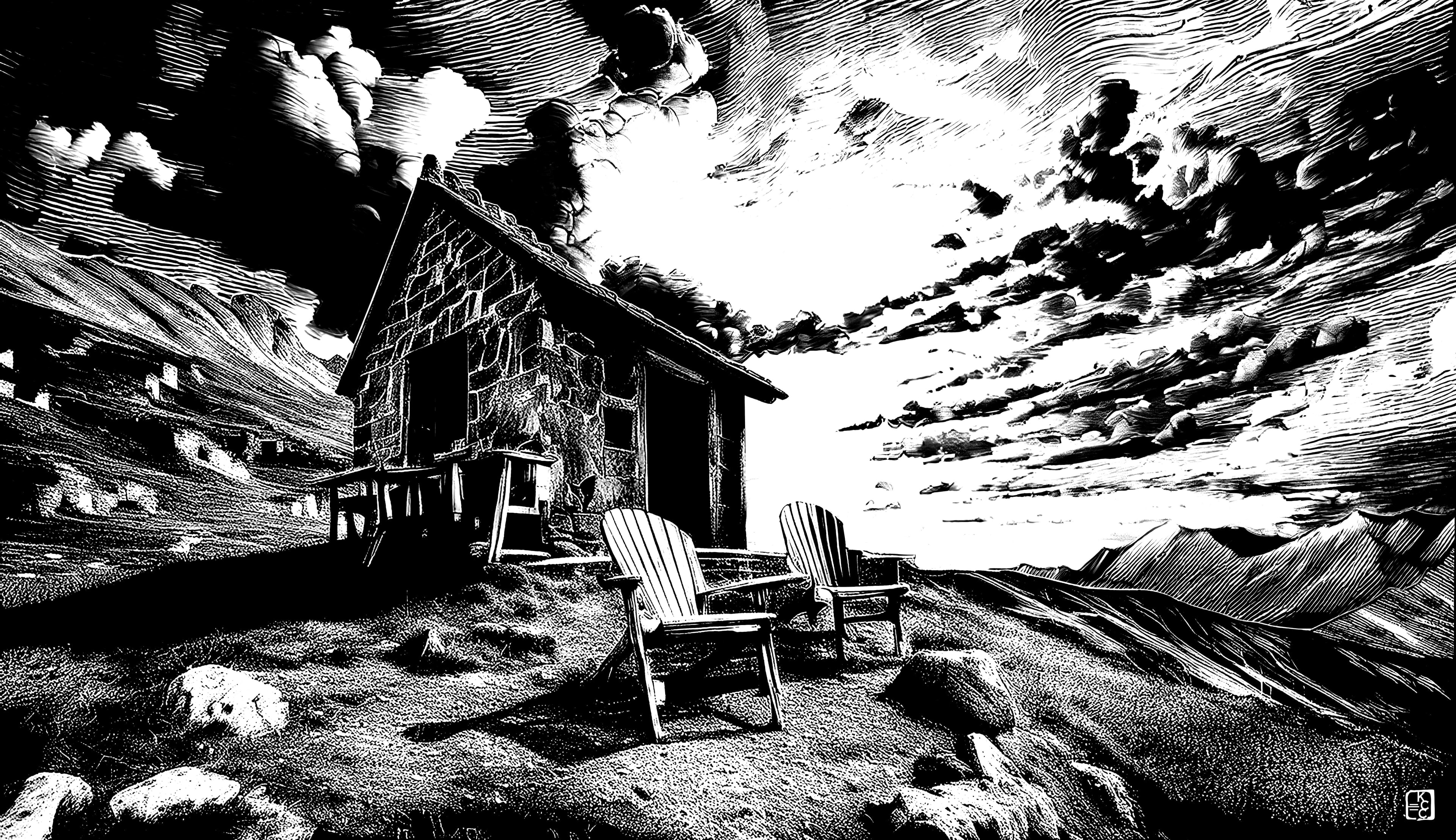
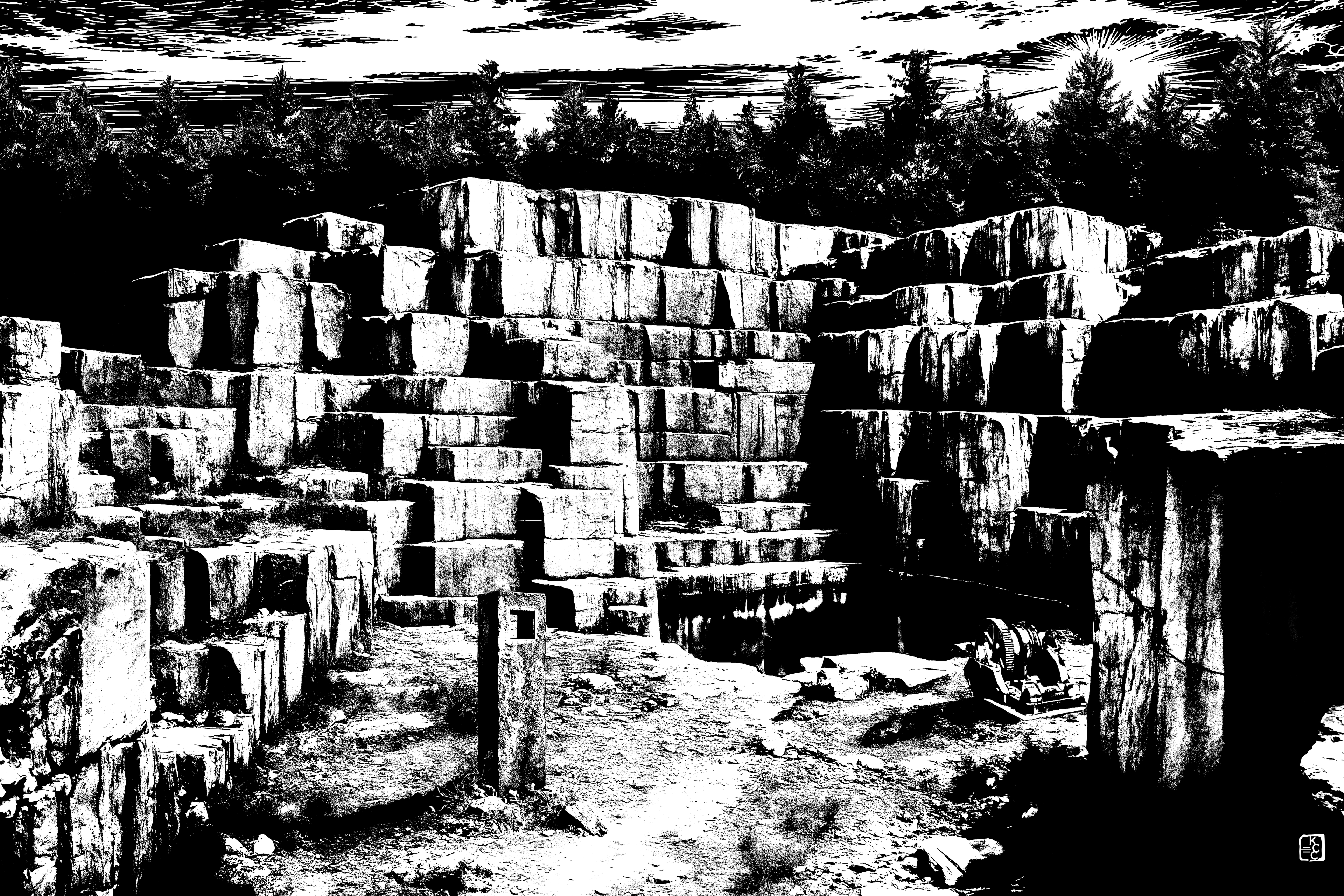
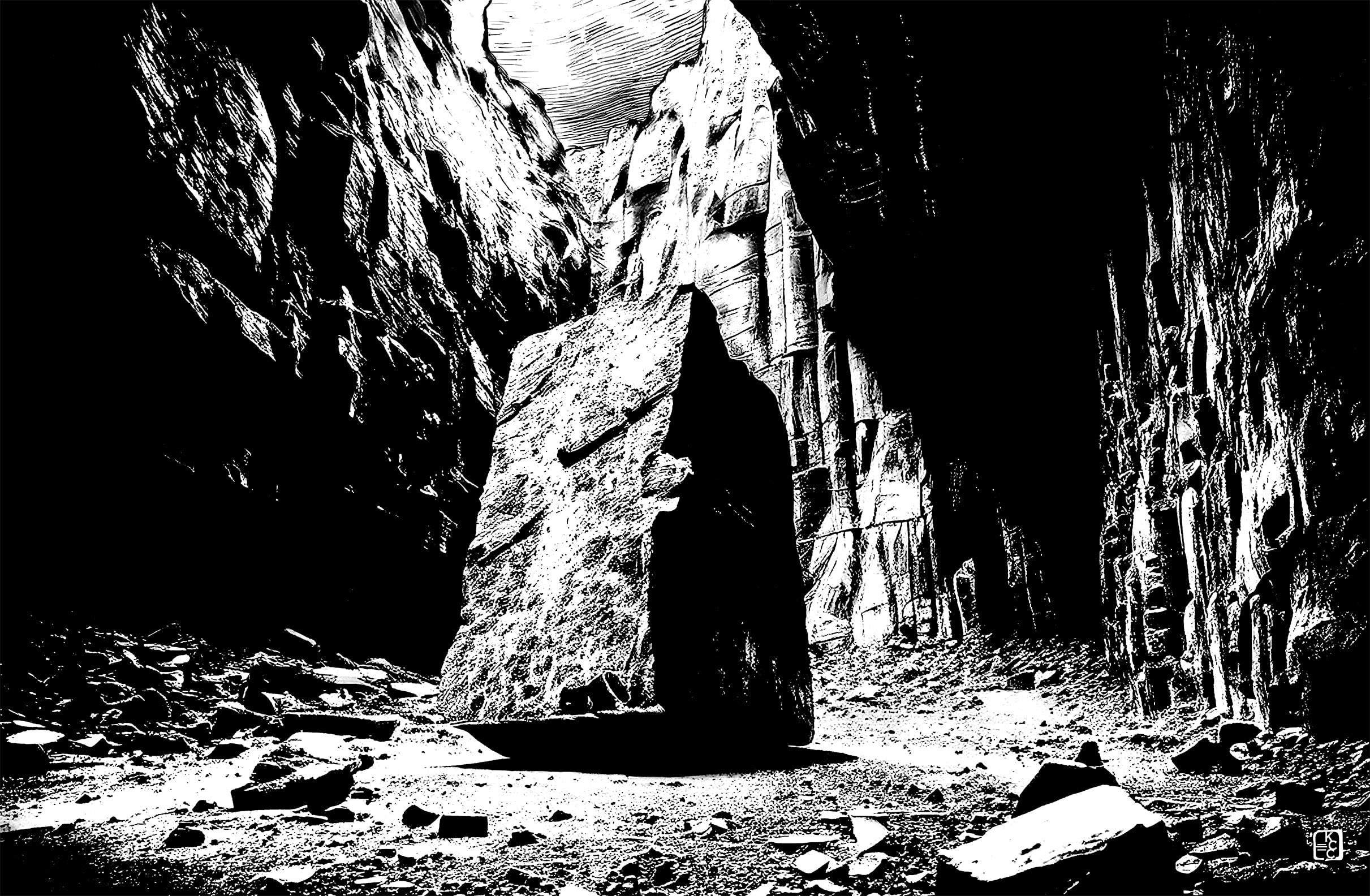
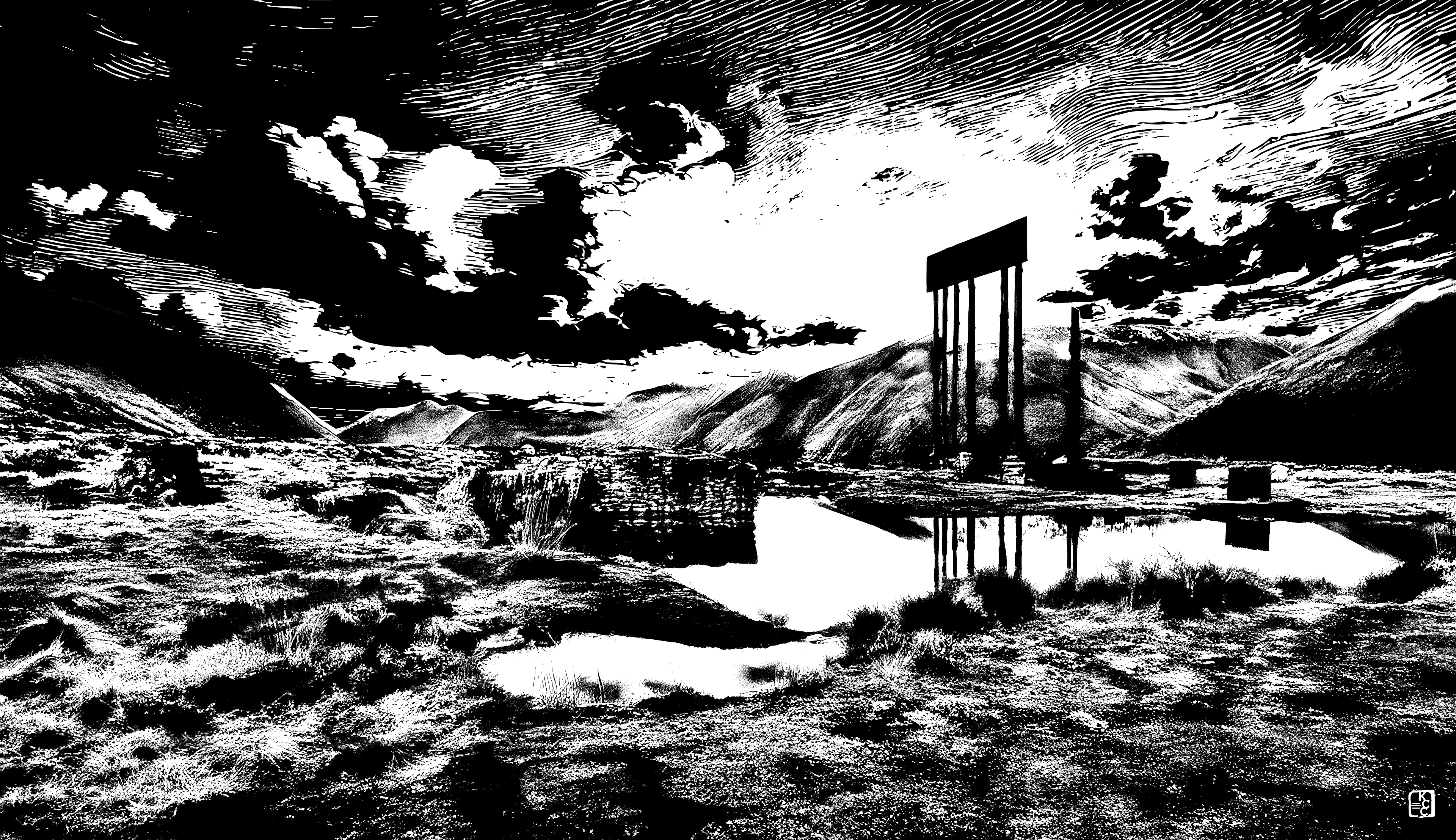
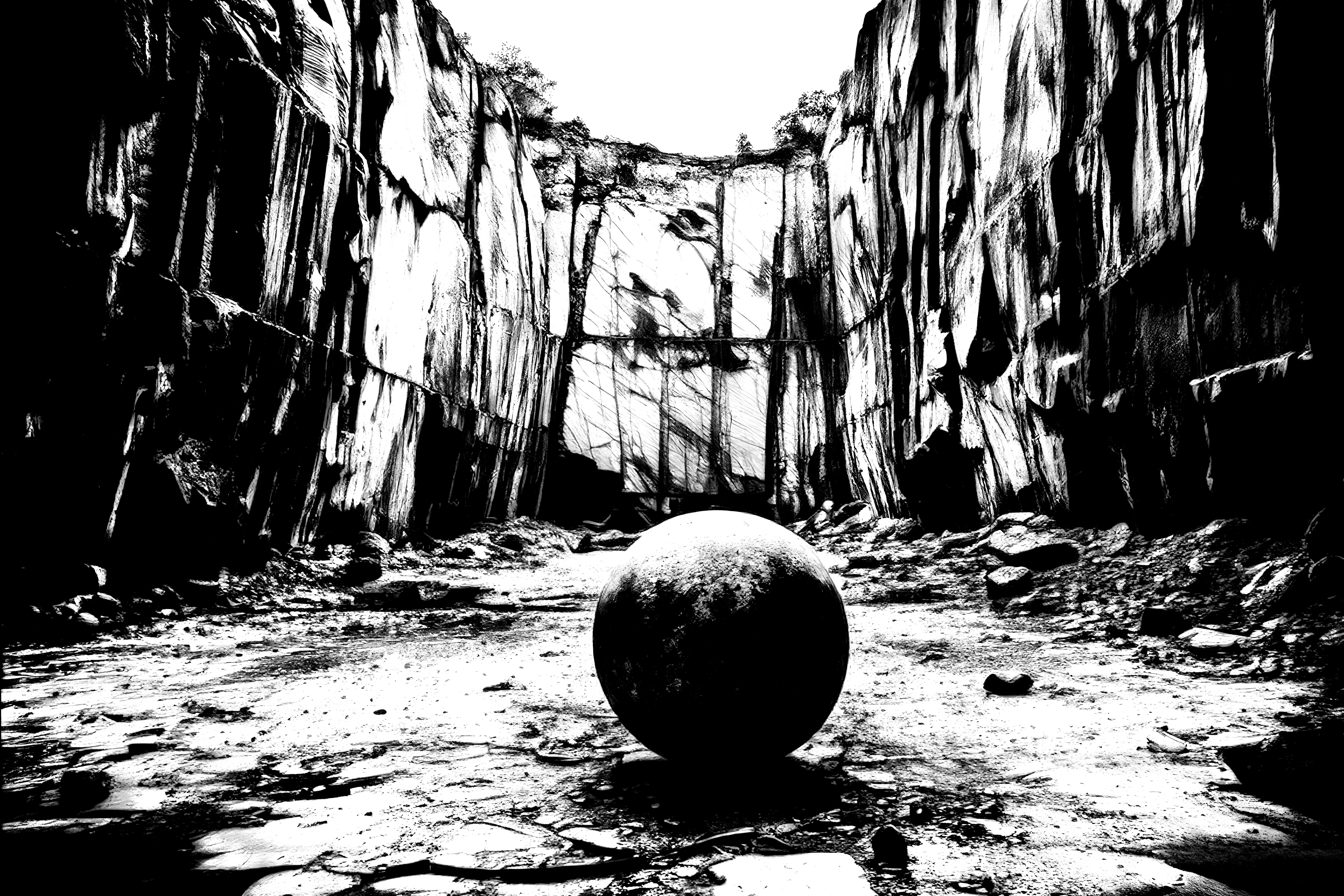
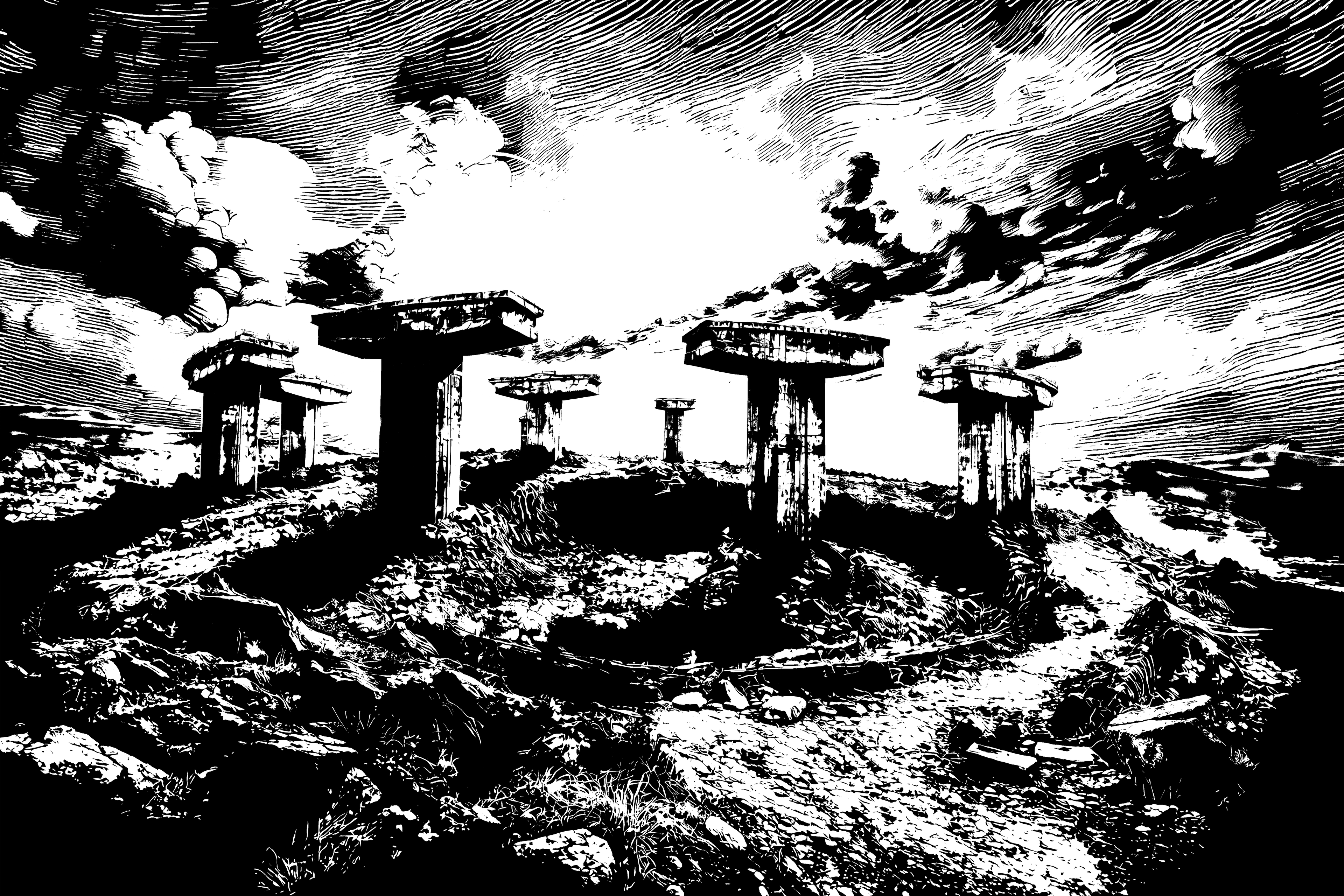
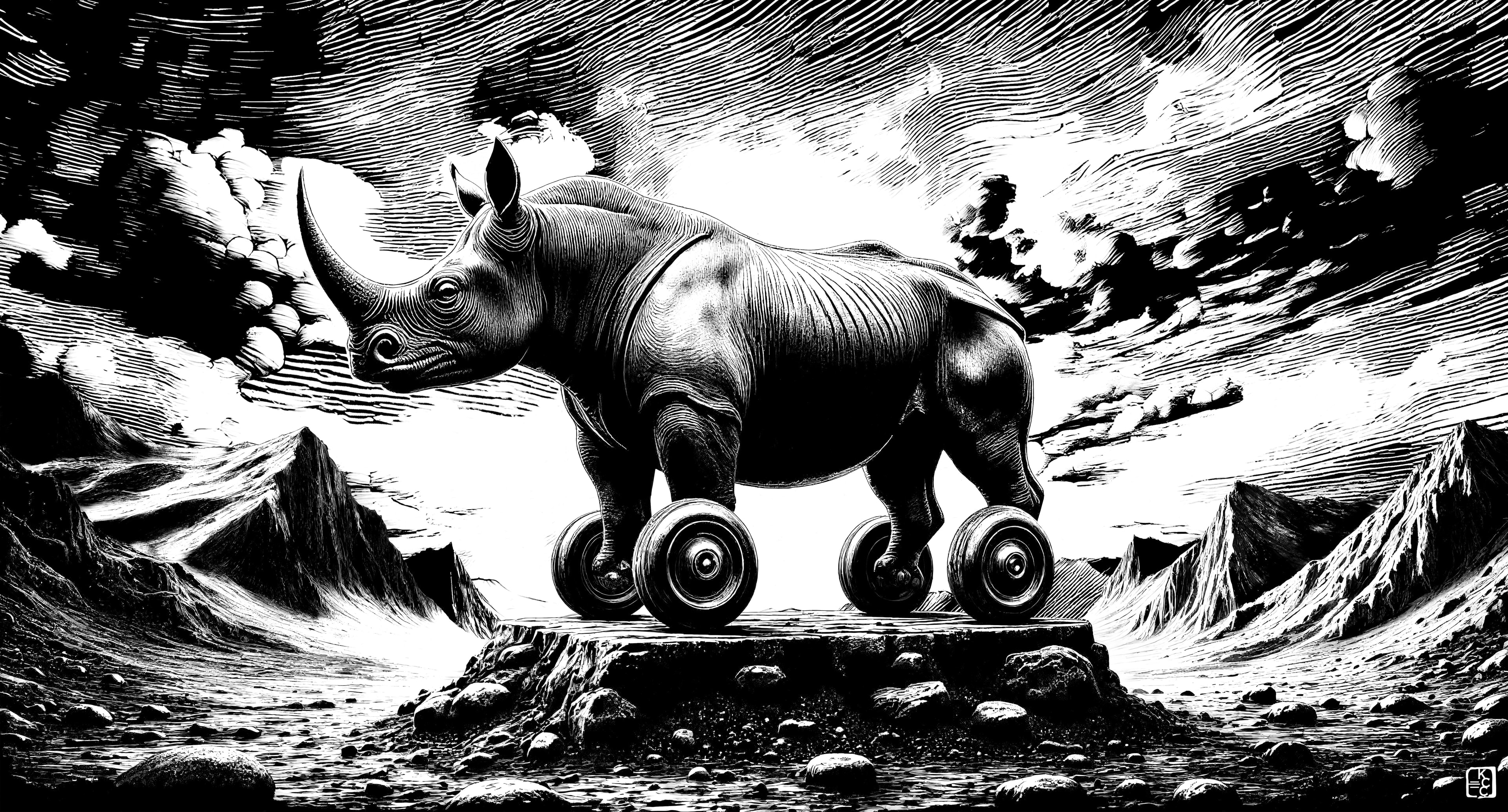
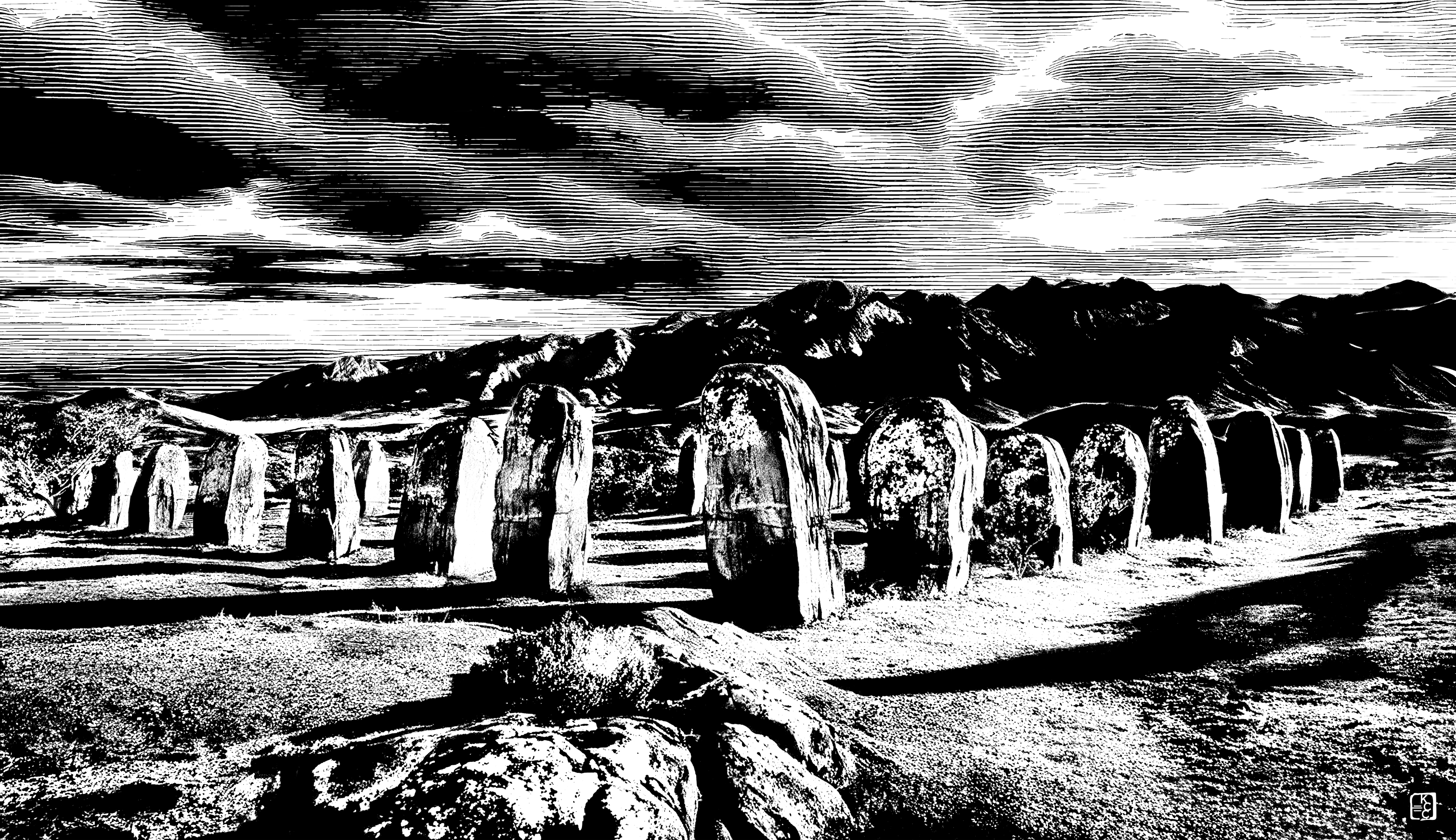
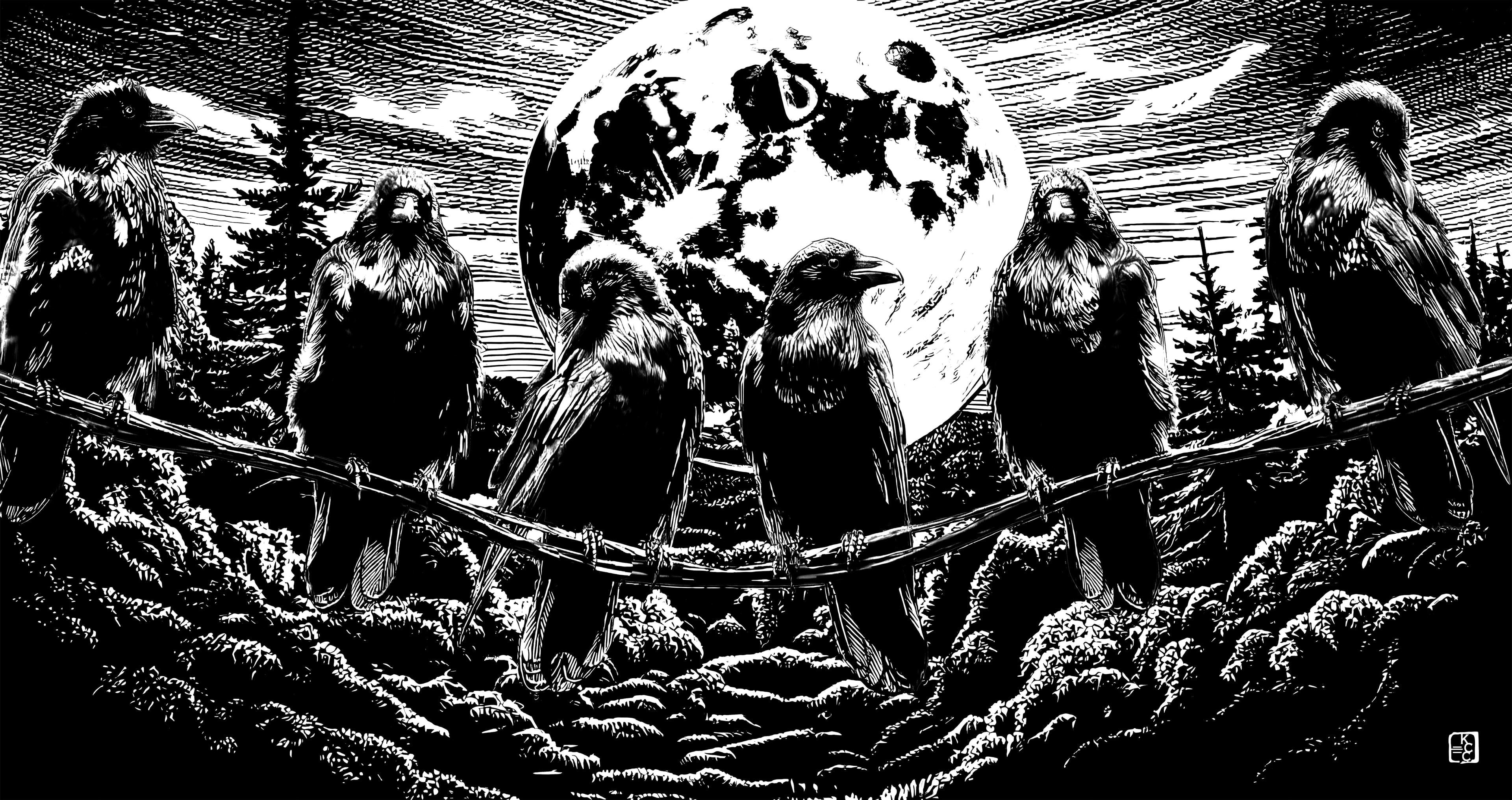
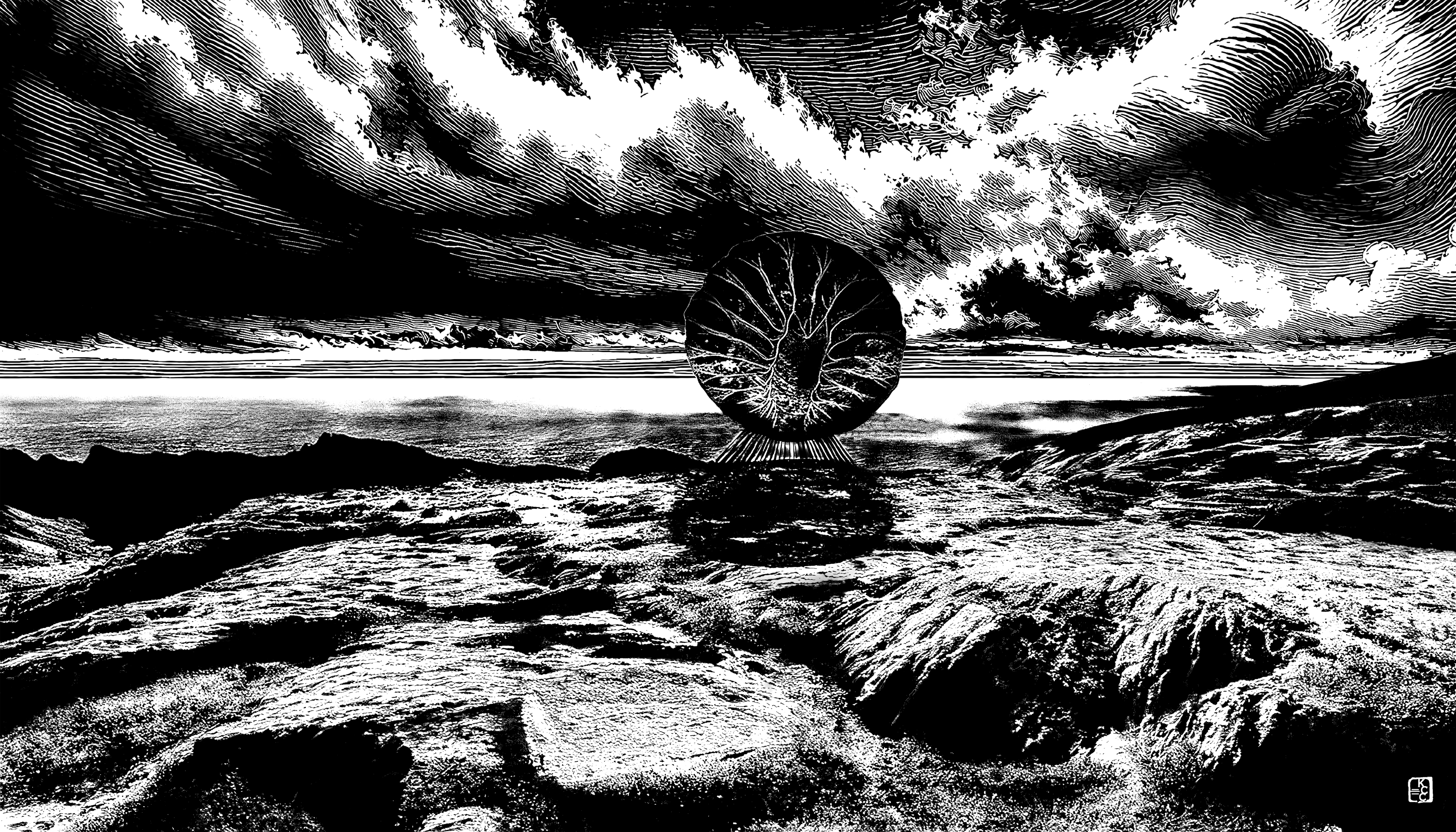
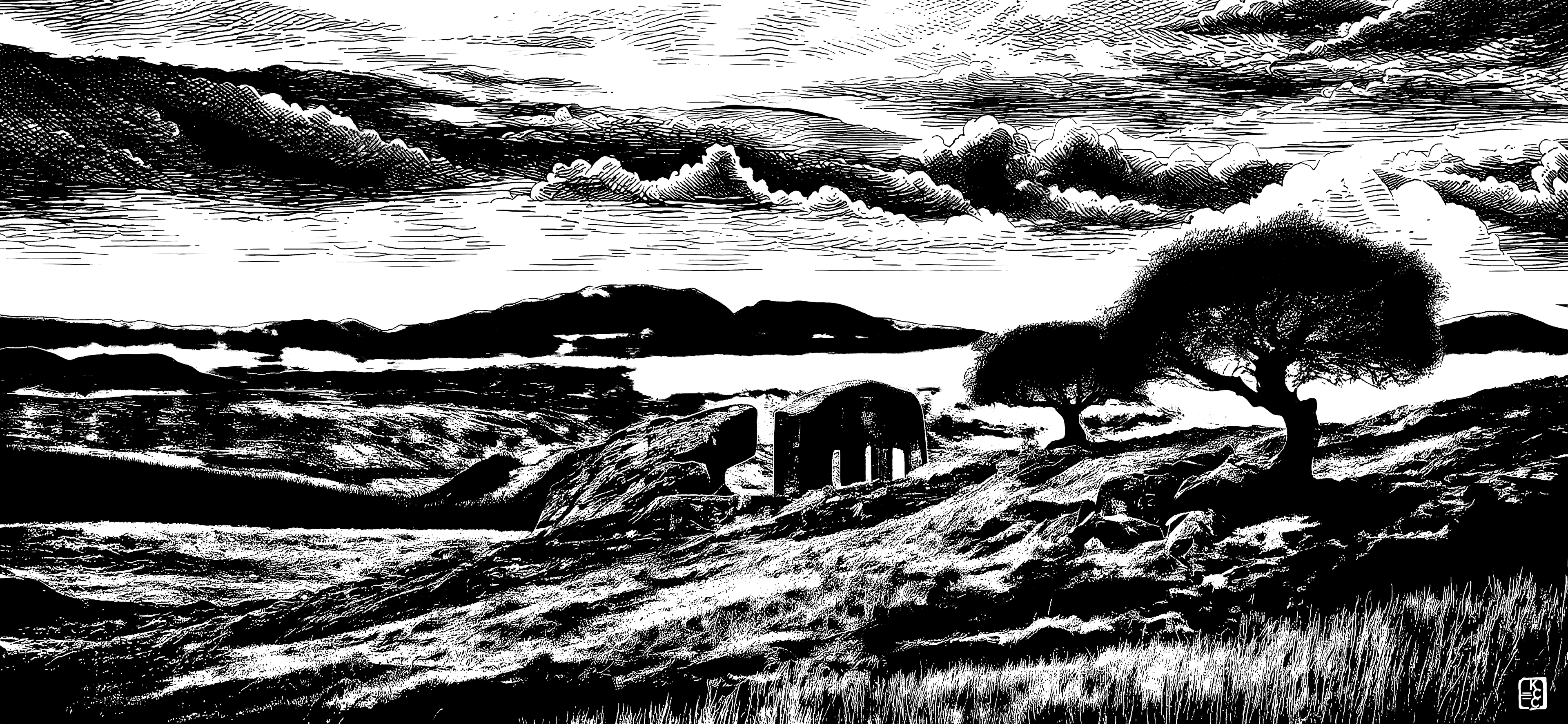
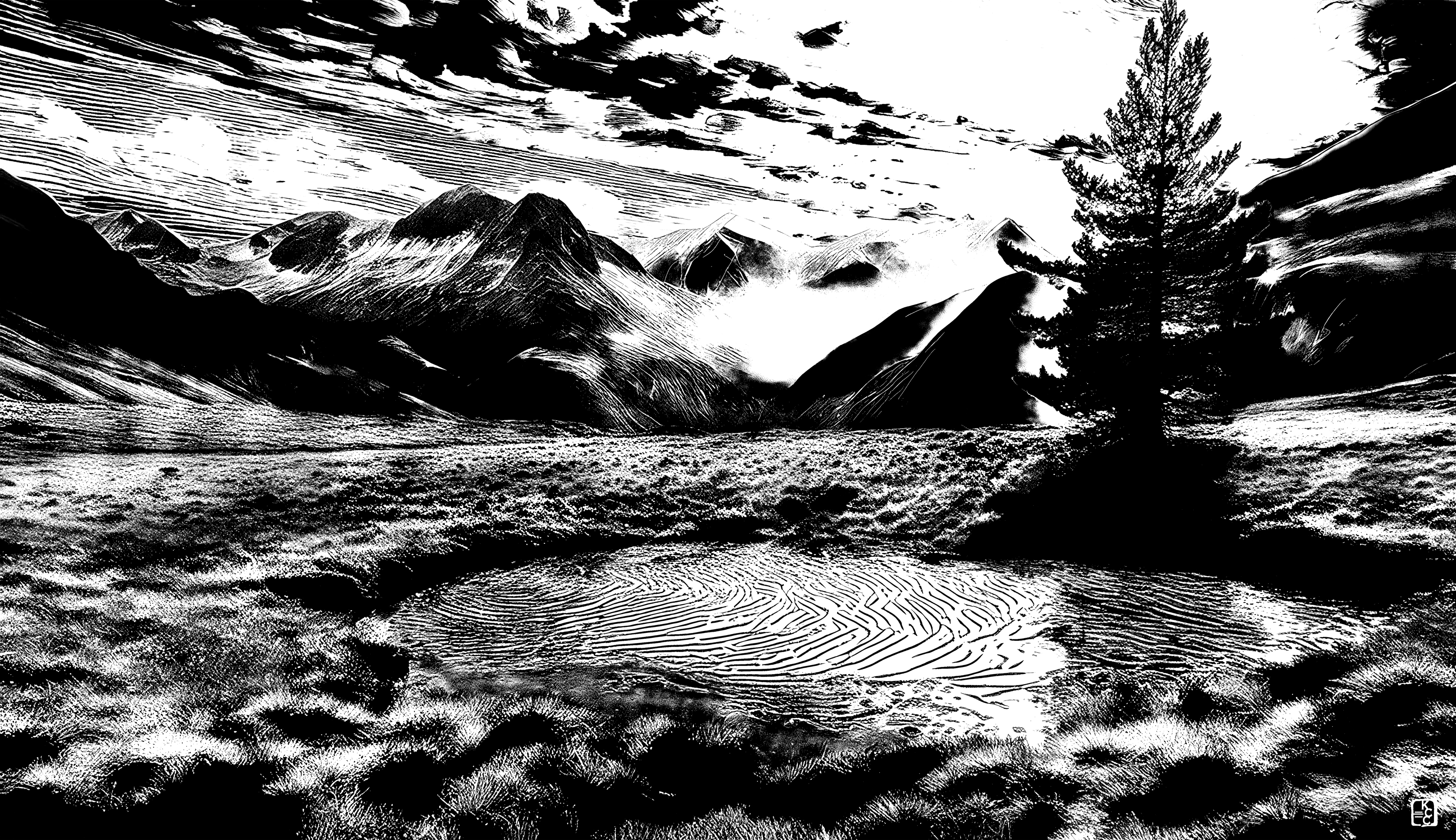
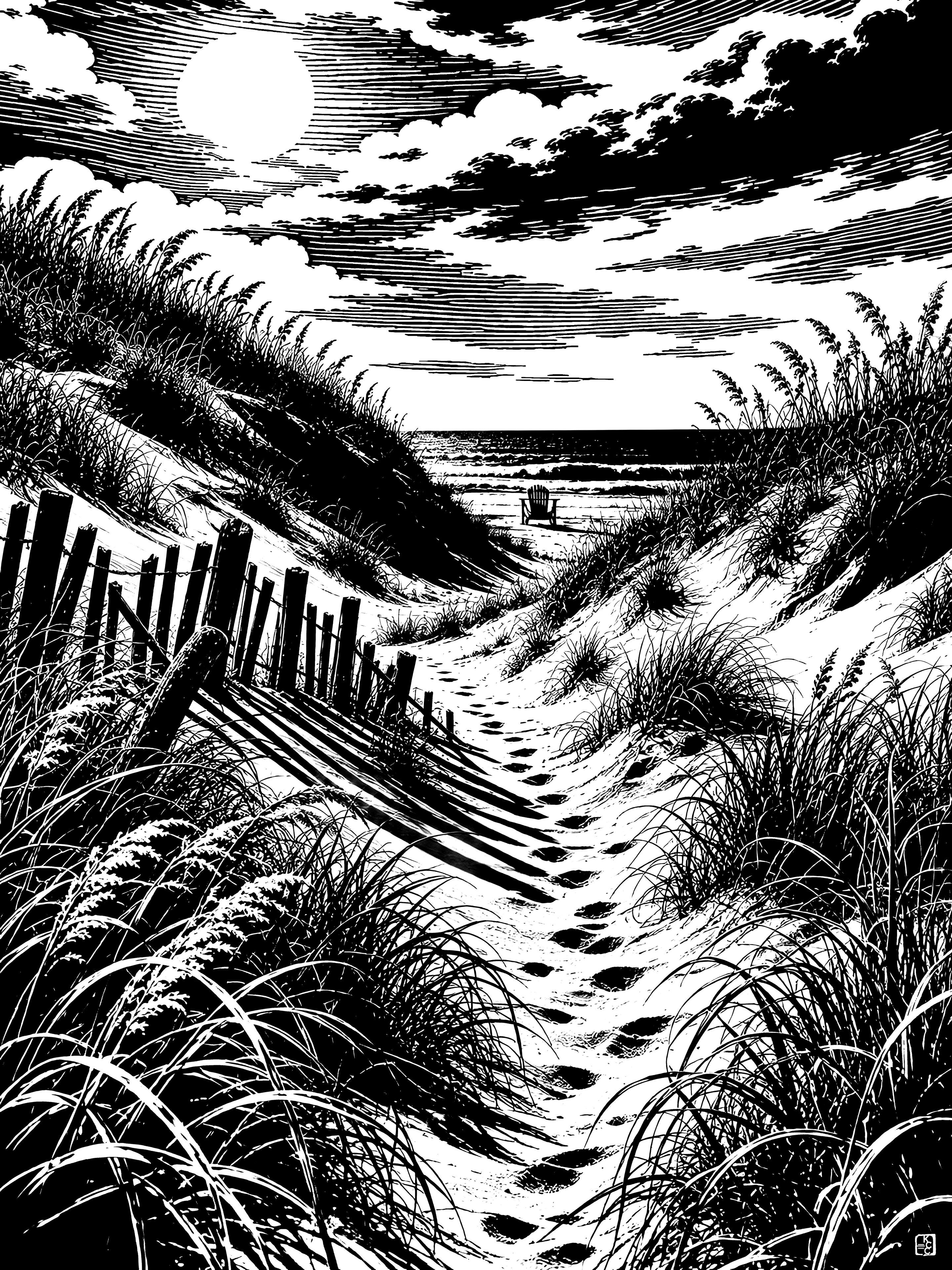
The Upper Anthropocene imagines a world long after the age that produced it has passed. The machines have fallen silent. Networks have disappeared. Fuel has been burned, signals have faded, and the purpose of countless structures has been forgotten. What remains are fragments scattered across the landscape—objects once ordinary that have outlived the people who made them. Their original use has become uncertain, and with that uncertainty they begin a second life.
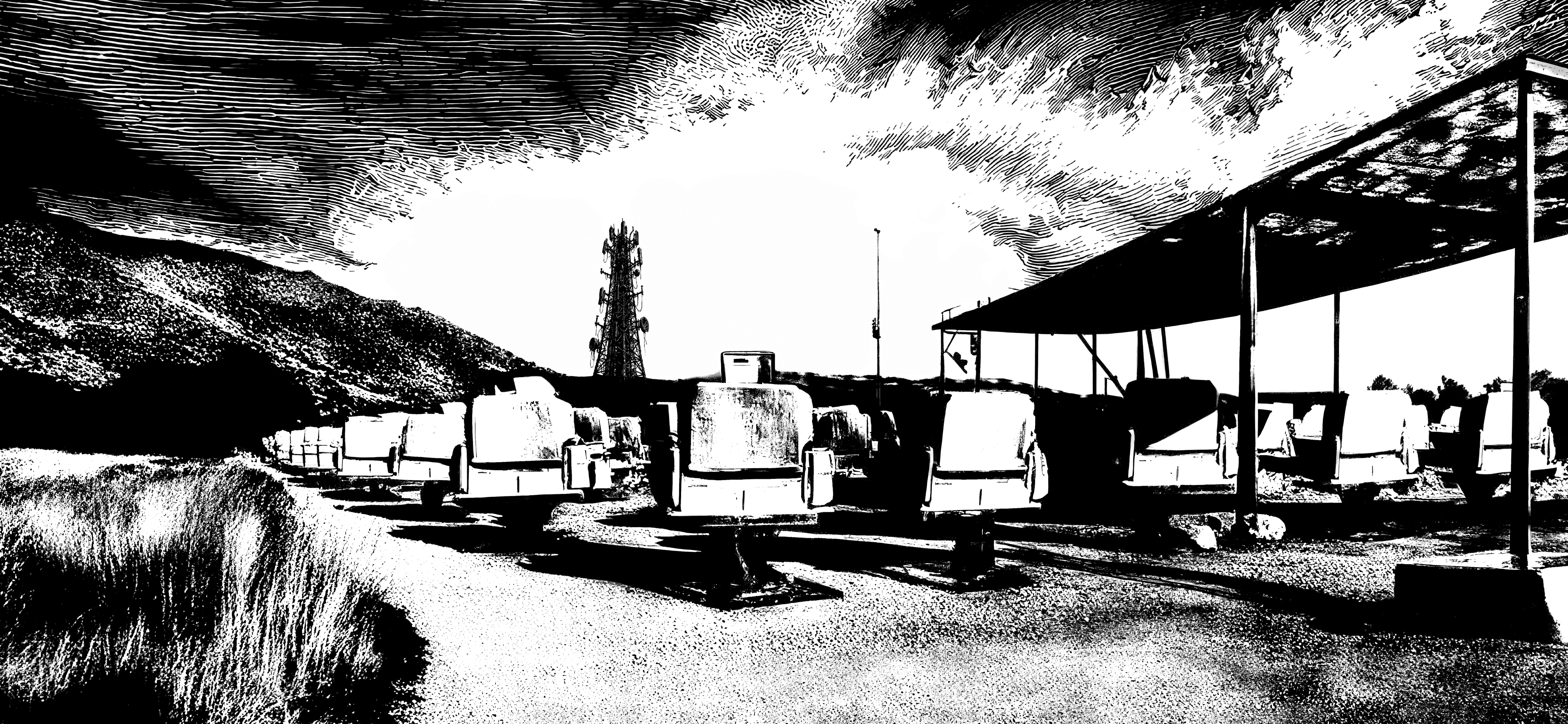
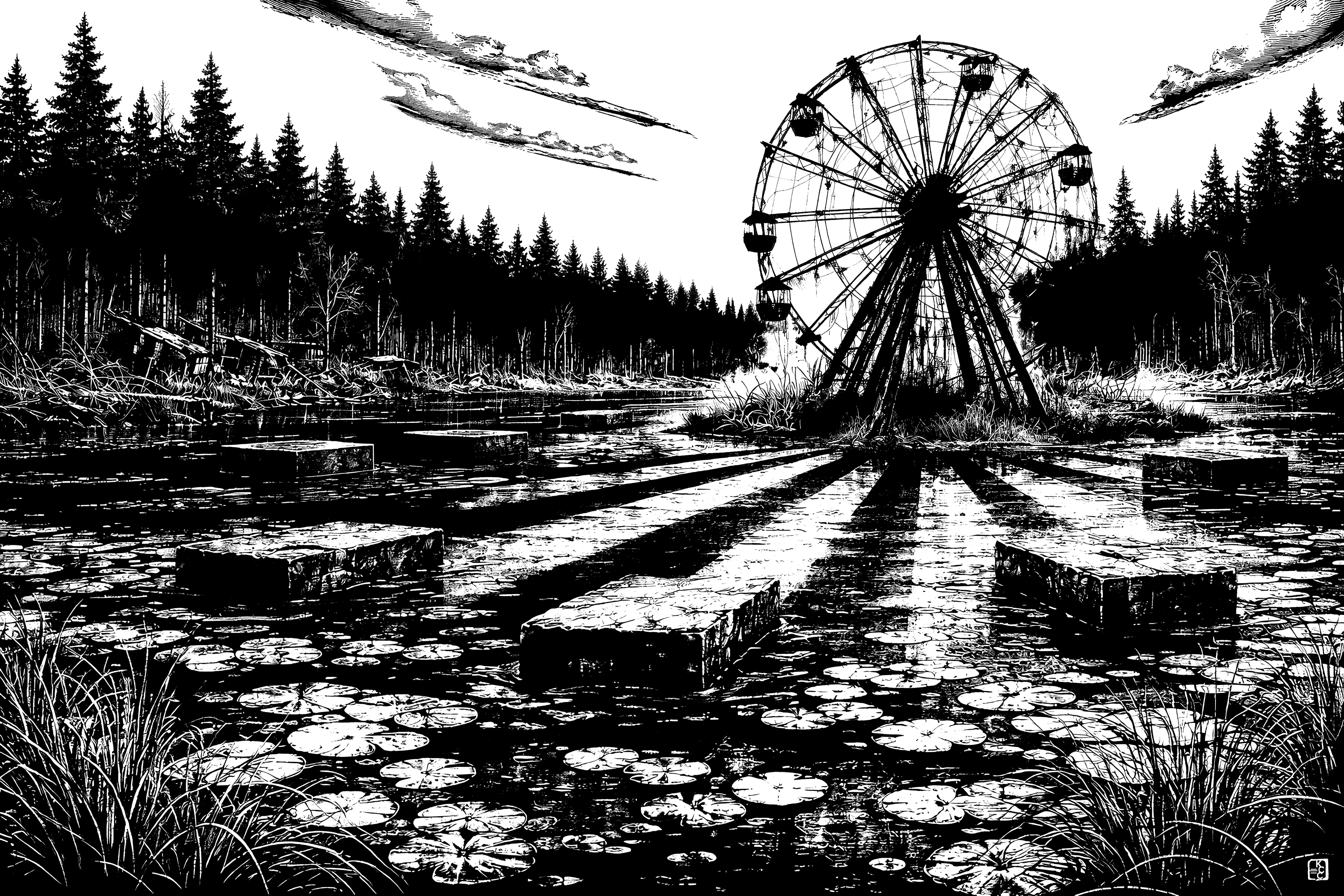
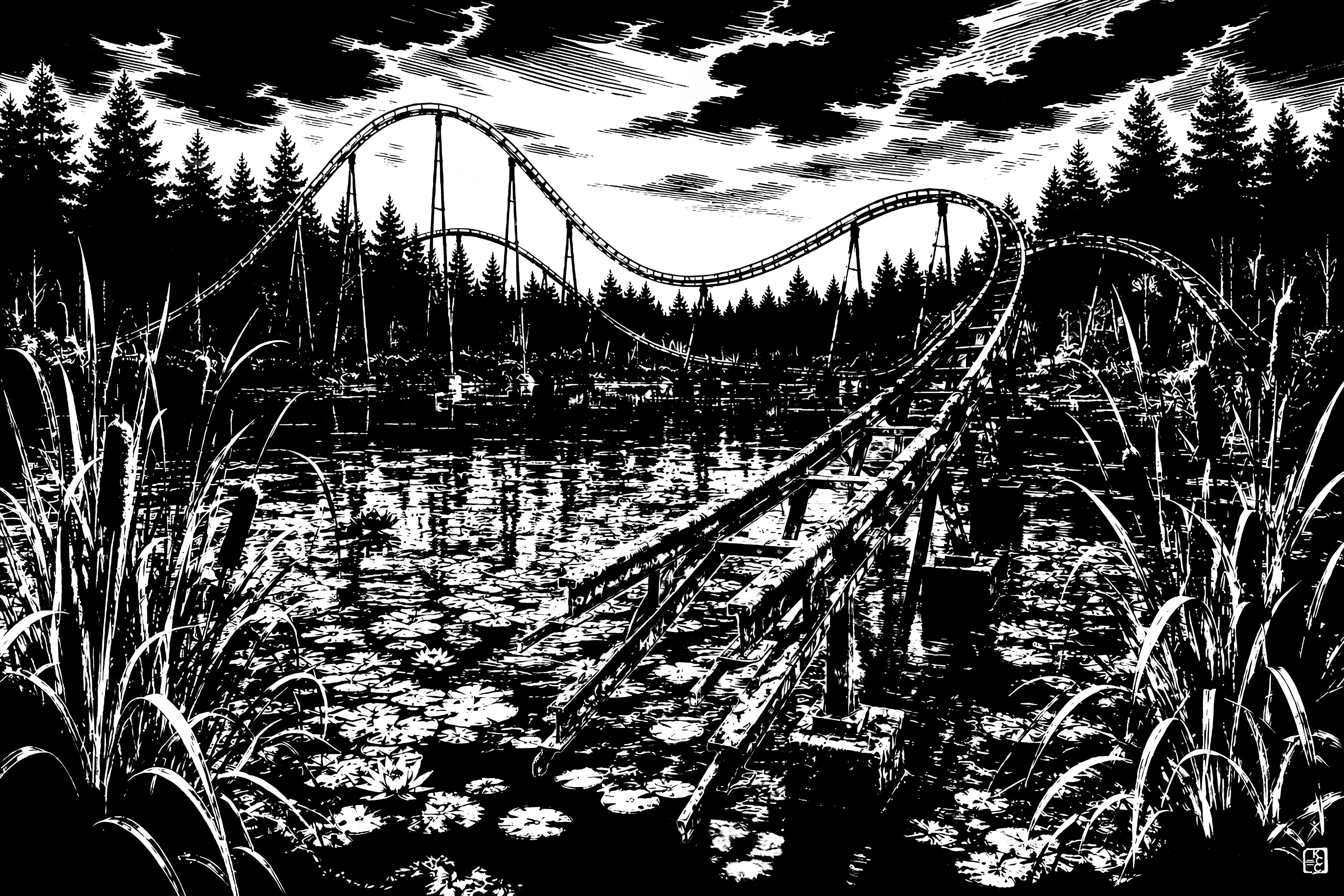
In these prints, abandoned cell towers become monuments. Radar dishes resemble observatories. Oil rigs stand like cathedrals above empty water. Gas stations, amusement parks, server farms, cooling towers, and highway structures survive not as evidence of industry, but as artifacts. Some are repurposed. Others are given new names by cultures that no longer remember their original purpose. Utility becomes mythology. Engineering becomes ritual. Technology becomes archaeology.
Woodcut is uniquely suited to this story. It is the oldest form of printmaking, built through removal rather than addition. Each carved line strips away material until only the essential image remains. That process mirrors the passage of time itself. As civilizations disappear, detail is lost, names are forgotten, and only the strongest forms endure. The bold language of the woodcut allows these familiar structures to become timeless, standing somewhere between memory and invention.
The Upper Anthropocene is not a prediction, nor is it a warning. It is a meditation on permanence and impermanence. Every civilization believes its monuments will last forever. Few do. These imagined landscapes ask what future generations might inherit from ours, and how they might understand a world they never knew. The answer is left to the viewer, somewhere between recognition and mystery.

"Every generation inherits the world in fragments. We explain what we cannot understand, and in time those explanations become myths of their own."